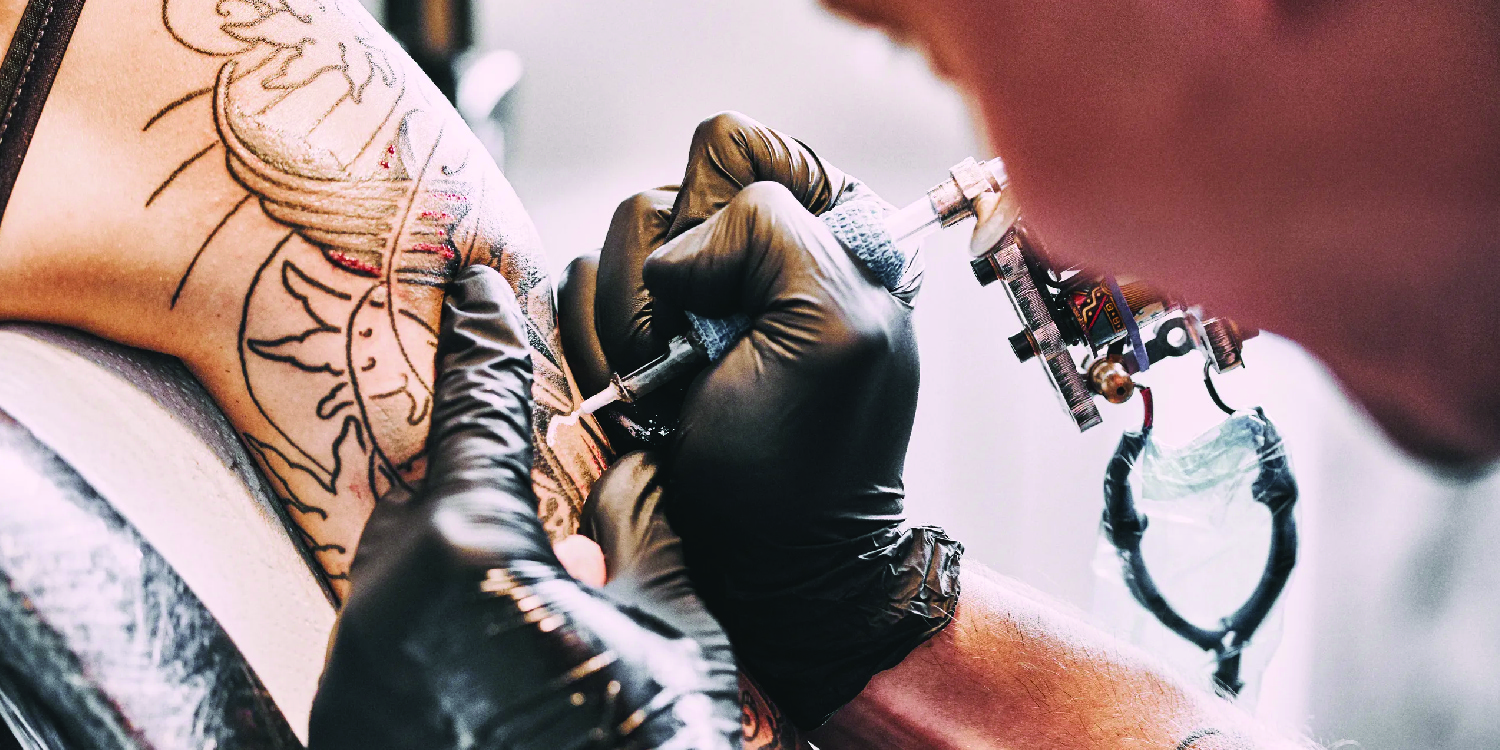
Tattoo parlours are places of creativity and high emotions. When you enter a tattoo parlour, you notice the artwork and vibe of the place. You notice if the atmosphere makes you comfortable and calm. Cleanliness is an important criterion, though it is not glamorous and often ignored.
A clean tattoo parlour is not only about tidy floors or polished counters. Professional tattoo parlours follow strict routines that protect clients, maintain professional standards, and create an environment where talent and creativity can flourish safely.
Tattoos are wounds on the skin that can become infected and require proper hygiene. In fact, hygiene is what separates a truly professional studio from one that simply looks impressive in appearance or on social media. This blog explains what sets good professional tattoo parlours apart, with a focus on hygiene.
They Treat Hygiene as a Daily System, Not a Last-Minute Task
Cleanliness is not left to chance in good tattoo parlours. Professional parlours have a structured cleaning routine and pattern throughout the day. These routines are followed strictly. Sanitising is done before, during, and after each appointment, and that is non-negotiable. Staff usually have an opening cleaning routine, a between-client routine, and an end-of-the-day cleaning routine.
Clean studios don’t wait for visible mess before taking action. Hygiene is part of the workflow. It is just like setting up a stencil or preparing ink. Most of the work behind keeping the parlour clean is behind the scenes. Clients can enjoy the results, but do not see the work. Surfaces, tools, armrests, trays, and chairs are all sanitised. The cleaning routine is consistent and not a sporadic deep cleaning. This ensures that the studio is clean all day long. Cleanliness is a part of daily operations.
They Separate “Clean” Zones From “Contaminated” Zones
Parlours do not sanitise all surfaces the same way. There is usually a clear distinction between sterile areas, used equipment areas, and general client spaces. Tattoo artists are careful about what they touch during a session. Artists avoid touching phones, drawer handles, bottles, or other things with contaminated gloves. Clean parlours organise stations so that artists can work comfortably without reaching for items or coming into contact with other things.
Movements are controlled during a session to prevent contamination. Contamination does not happen only through obvious mistakes, but with the small habits that are usually not deliberate. Artists are very careful about what gets touched and when during a session.
They Use Single-Use Items Wherever Safety Demands It
Single-use items are a sign of professional hygiene practices. Disposable items often include needles, ink caps, razors, gloves, barrier wraps, and paper products. Disposable items are the best solution for preventing contamination between clients. Materials can look clean, but may not have been safely handled.
Reputable parlours do not cut corners on consumables. They invest properly to ensure that the studio is clean and hygienic. Cleanliness is not only about wiping surfaces but also about knowing what materials should never be reused.
Most clients do not realise how much of a setup should be fresh for every appointment. Good tattoo parlours invest in infection prevention.
They Pay Attention to the Parts Clients Often Overlook
Most people assume the obvious surfaces are what have to be sanitised. They often ignore the other high-touch areas that can get contaminated and cause infection. Clients notice chairs, floors, and counters, but not the everyday items such as light handles, spray bottles, machine cords, switches, and armrests, to name a few. These contact points are often touched inadvertently and may be overlooked during cleaning if strict routines are not followed. Bacteria and contamination can stay anywhere. They do not make a distinction between obvious areas and others.
An overall wipe-down is not proper hygiene. Proper hygiene lies in the small details. Professional tattoo parlours feel more organised because they handle everything carefully.
They Never Let Presentation Replace Actual Sanitisation
Tattoo parlours can look impressive on social media. But that is not a reflection of their hygiene standards. Beautiful décor does not translate to clean procedures. The reception area can look polished and appear squeaky clean, but it does not reveal much about the back-end sanitisation.
Professional studios aim for aesthetic branding and operational cleanliness. Clients need to understand that neon signs, murals, and trendy interiors are not the way to choose a tattoo parlour. Cleanliness at a tattoo parlour is defined by what happens at the workstation, and not just what looks photogenic. As consumers, clients need to be aware of the hygiene standards of a parlour before choosing it. Professional studios have a healthy blend of atmosphere, comfort, and cleanliness.
They Train Staff to Follow Protocol, Not Personal Preference
The cleaning routine at good tattoo parlours is not based on individual interpretation. It is a shared standard. Hygiene at an artist’s workstation is not an individual preference. The setup of all workstations is uniform and follows consistent standards. The expectations around setup, glove changes, workstation prep, waste handling, and cleaning between clients are consistent in the parlour. Hygiene does not depend on whether someone is experienced, rushed, or relaxed.
Cleanliness is a daily routine. Staff are trained in proper hygiene maintenance. The studio’s expectations help maintain consistency. In a shared workspace, everyone feels accountable. Cleanliness becomes more reliable when it is the foundation of a studio’s standards. Professionalism is visible in consistency across all staff, and not just a few standout artists.
They Prepare the Client’s Skin with Care, Not Speed
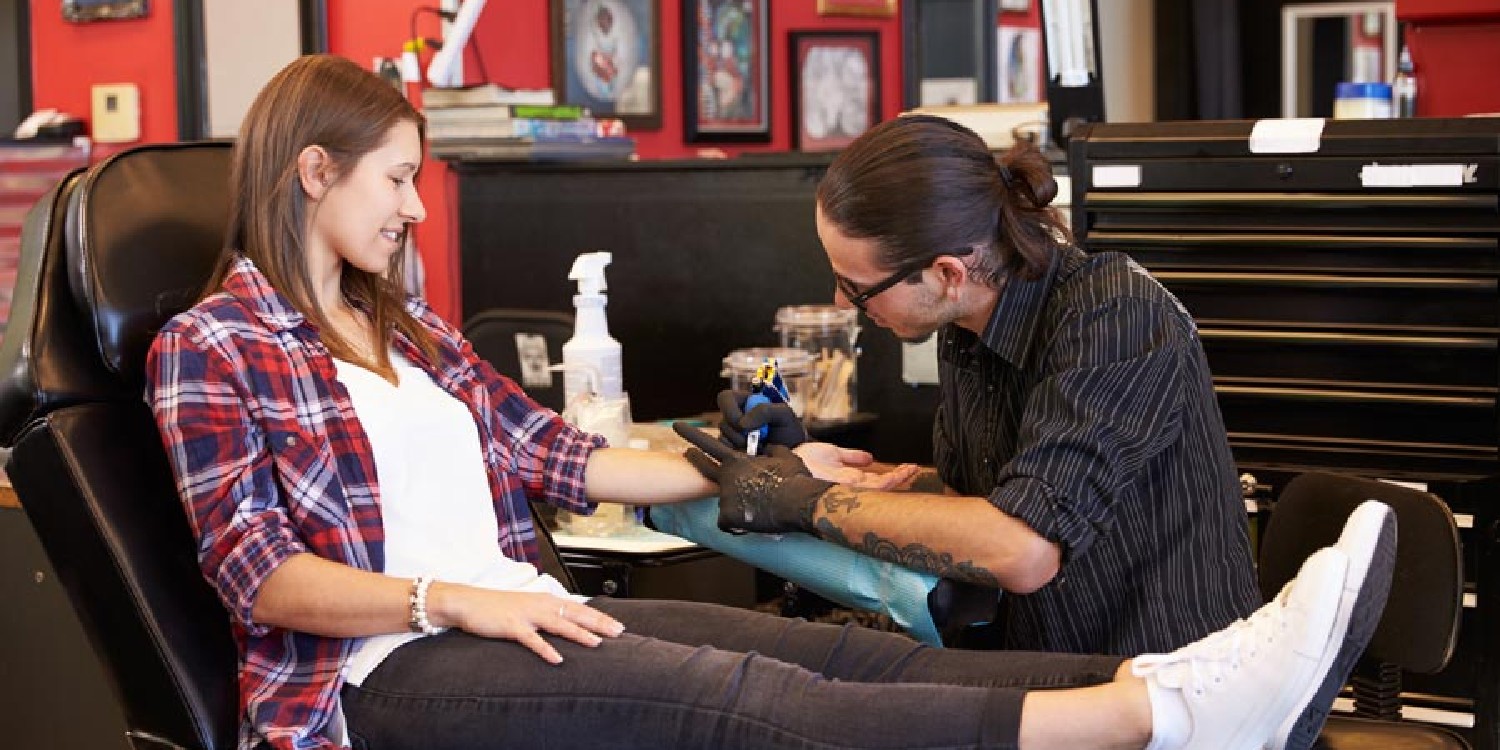
The first step of the process is the preparation of the skin. It is a critical part of cleanliness and tattoo quality. Clean parlours take time to inspect the area, shave safely when needed, cleanse the skin properly, and apply products appropriately.
The lasting results of the tattoo depend on the healing process. A rushed skin prep can affect hygiene and final results. Experienced tattoo artists know that skin condition matters before the needle touches it. Clean studios take time to prepare the skin. It is regarded as part of the professional process. It is also a reflection of how tattoo parlours respect the client’s body and healing process.
When the skin is prepped properly, it helps to cleanly apply the stencil. The actual tattooing process also becomes smoother, especially when the design is complicated and needs more detail. The aftercare outcomes are also better.
They Handle Waste and Used Materials Responsibly
Clean tattoo parlours manage waste materials responsibly. Used gloves, wipes, razors, protective coverings, and sharps need proper handling. Safe disposal matters for the staff, clients, and workspace. Clean parlours avoid clutter or used materials piling up during or after sessions.
They maintain a tidy and organised system to reduce contamination risk. Clients are not privy to information about the waste disposal practices of tattoo parlours, but it is good to know that hygiene extends beyond what is immediately seen.
Last Ink
Tattoo parlours build trust with clients by maintaining proper hygiene standards. Their hygiene does not depend on who is working that day or how busy they are. It happens as a matter of course throughout the day. Clients often feel emotionally comfortable in clean parlours.
At Colibri Tattoo and Piercing, we maintain the best hygiene standards, and that is our promise to every client.