
Getting a tattoo is a big decision for most people. Of course, some do get a tattoo on a whim or if they have just lost a bet. For some people, tattoos are a form of self-expression or a coming-of-age act. Tattoos usually represent something personal, an untold story, a personal milestone, a philosophy, or a memory.
First-timers are usually anxious about the experience. The anticipation of pain can be far worse than the reality. Getting a tattoo is not just about finding good tattoo shops and getting inked. The experience of the process is something most people cherish. People who have a few tattoos and are back for more will also experience a level of anxiety when getting a new tattoo.
This blog aims to paint a clear picture of what happens during consultations at tattoo shops. Knowing what the process entails can reduce anxiety and help put your mind at ease.
Icebreaker Moment
A typical consultation begins with the tattoo artist asking, “So, what are we getting today?” or something like that. The artist attempts to decipher if the client wants a meaningful tattoo or just lost a bet. Artists engage clients in conversation to understand their preferences and style. They try to ask questions to understand what inspired the tattoo.
Some people walk in with screenshots and declare that they want something “roughly” like it. This does not tell the artist much. And then some people walk in with a crystal-clear concept and then declare they want the same, but with some chaos. To understand what they have in mind, tattoo artists have to be low-key therapists for the first ten minutes. Consultations are opportunities for the artist to understand if the client is open to suggestions or just wants a carbon copy of a design. The tone of the conversation sets the tone of the tattooing process. Artists understand the client’s personality and comfort level.
The tattooing process is a collaboration between the client and the tattoo artist. Being able to relax with each other and trust the process can make the experience enriching.
Decoding the Client’s Wildly Vague Tattoo Vision
Clients may or may not have a clear vision of what they want. Most of the time, clients have a vague idea of what they want. It is up to the artist at the tattoo shops to interpret their vision into something tangible. Some clients describe ideas using emotional terms like “moody”, “spiritual” or “slightly dangerous”. Artists have to turn these emotional words into a design.
Some clients bring ten different designs and want them all to be combined into a single tattoo. Tattoo artists will try their best to accommodate most of the client’s reasonable requests. A design is a two-dimensional art; what brings it to life is what the tattoo should feel like. Artists try to make every design unique by adding some emotion to the art.
Colour preferences, symbolism, and artistry are explored during consultation. Tattoo shops strive to understand the style of tattoo that appeals to clients. Consultation gives clients an avenue to thoroughly whet their ideas to prevent any regrets in the future. On some occasions, artists guide clients away from tattoo designs that may age poorly or be confusing.
The Great Placement Debate
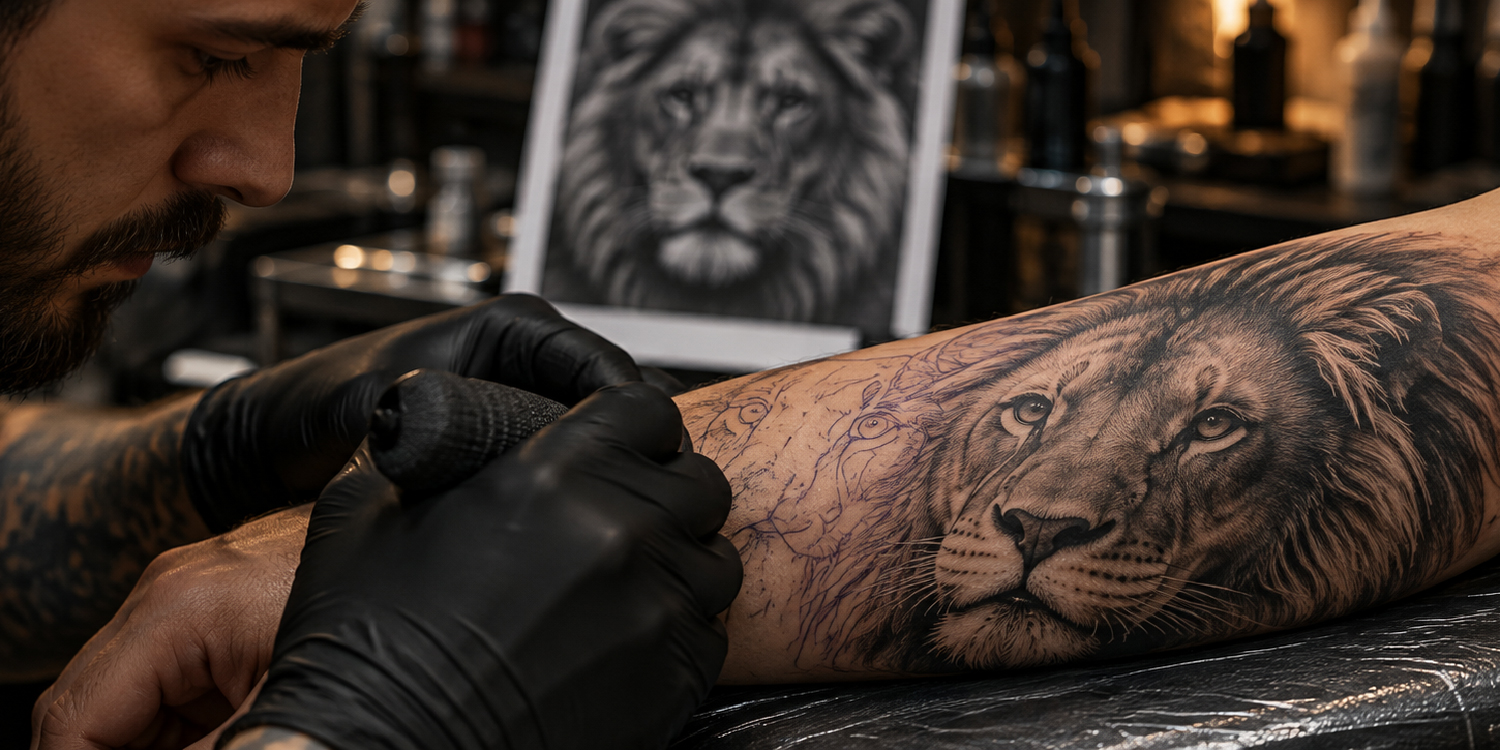
Most people do not realise the importance of proper tattoo placement. Choosing the correct placement for a tattoo design has to be strategic. Tattoo shops explain how some tattoos shine better when placed in certain body areas than others. Artists explain how certain body areas distort over time due to movement and ageing.
While discussing tattoo placements, artists consider visibility depending on careers, family situations, and comfort. The design has to flow with the body shape and muscle structure. So the same design that looks good on a certain area may not be as appealing on the same area on another person. Placement is also defined by the pain tolerance of the client. This is the point where some clients realise that their pain confidence was entirely fictional! Clients learn that fingers and ribs are not beginner-friendly tattoo zones and may need hearts of steel.
Size Matters More Than Clients Expect
When choosing a tattoo design, clients underestimate how size matters. Large tattoos need careful detailing. A tattoo with lots of intricate details cannot be too small. Tiny tattoos can blur into mysterious ink blobs over time. Artists guide you about what size your design has to be for the details to look good.
Artists advise clients about the proper scaling of tattoos. Skin texture also affects tattoos. Good skin health can bring out the fine details of the design. Larger tattoos generally age better and retain clarity for longer periods.
The Unexpected Science Lesson About Skin
Tattoos are inked on the skin, so it goes without saying that artists will examine skin texture, scars, stretch marks, and previous tattoo work during consultation. Different skin tones react differently to colours and shading techniques.
Tattoo lines soften quickly on some skin types and hold fine detail well on others. Artists try to gather information about the client’s lifestyle and skin condition. Sun-damaged skin may need a different approach. To keep the skin supple and hydrated, it is important to have good skincare and hydrate well before tattoo sessions. During consultations, it is important to inform the artists about any allergies or skin sensitivities.
It is important to know that tattoos behave differently on every part of the body.
The Money Conversation Everyone Pretends Not to Be Nervous About
Tattoo shops explain pricing based on size, complexity, detail, and time required. Some tattoo shops prefer a deposit after consultation. Disappearing after booking a session is unpopular behaviour. Clients learn that good tattoos are expensive, but laser removal is even more so!
Artists talk to clients during consultation about the design process. Custom designs require design time outside the session. The conversation with tattoo artists helps clients understand why rushing the tattoo process can impact the results. Quality work cannot be achieved with “friend discounts”. Good tattoo shops have transparent pricing discussions to build trust and avoid any future misunderstandings.
The Aftercare Talk
Tattoo consultations often include detailed aftercare education. Artists educate clients about the healing process. Cleaning the tattoo has to be done gently with mild soap and lukewarm water. Some restrictions have to be observed after the tattoo process. Swimming, scratching the tattoo, and heavy workouts are better avoided.
Sleep positions can also affect fresh tattoos, depending on their placement. Proper aftercare ensures that the tattoo retains its colour and line sharpness for a long time. Tattoo artists debunk internet healing myths and give clients clear, scientifically backed instructions.
Last Shot
Clients leave tattoo shops after consultations feeling equal parts excited and anxious. Tattoo artists paint a clear image for the client during the consultation. Having a clear image helps alleviate some anxiety. Consultations help open communication between the client and artist.
Tattoo artists at Colibri Tattoo & Piercing specialise in all kinds of tattoo styles. Visit us for a consultation and let us help you translate your vision to ink.