Tattoos are the most popular choice for self-expression and to add depth to one’s persona. They speak of experiences, struggles, beliefs, philosophies, and memories. There are many tattoo styles to choose from when you decide to get a tattoo. Tattoo artists specialise in particular styles.
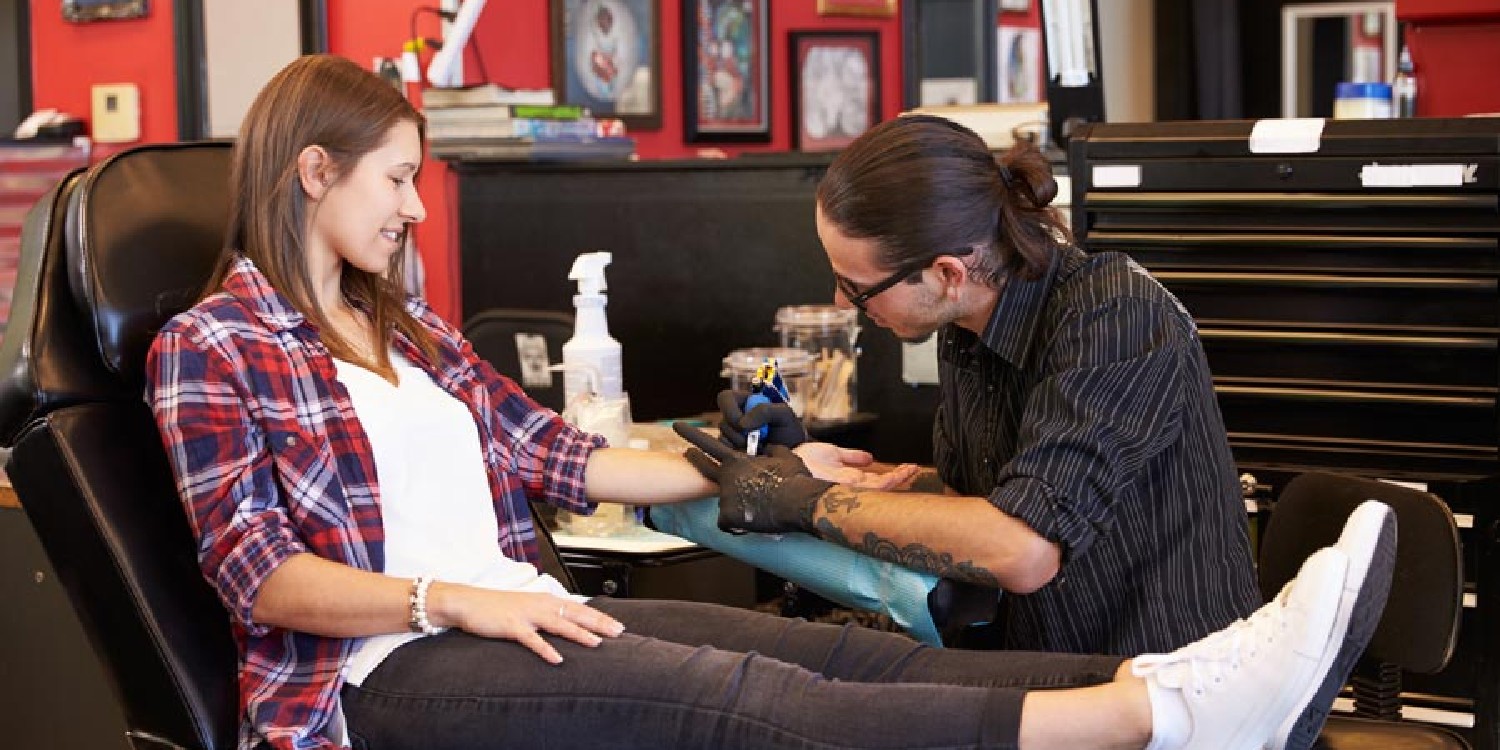
When a client visits Colibri Tattoo and Piercing, artists make time for a consultation to understand the vision and intent of the tattoo. The client might have an inspo pic and may want to customise that tattoo to their aesthetic preferences. A tattoo is only as good as its placement. The same tattoo can look different on different people and in different placements. It is better to consult with tattoo artists to understand the proper placement when getting a tattoo.
This blog dives into the minds of tattoo artists to understand what they look for in a good placement.
Natural Body Contours and Shape
Tattoo placement has to align with the body contours and shape. Tattoo artists study the muscles and bone structure to suggest tattoo placement. For the design of the tattoo to flow with the body, it should follow the natural curves of the body. Artists understand the importance of symmetry when placing tattoos.
Some tattoos need the design to flow. Curved areas enhance the visual flow of such designs. Flat surfaces are ideal for elaborate, detailed tattoos. When placing the tattoo on high-movement areas, the tattoo has to align with the body’s movements. Tattoo artists try to avoid awkward stretching across joints and folds. While designing a tattoo, artists consider the anatomical structure of the placement area.
Artists adjust designs to suit different body shapes. Some designs can look more dynamic by using body contours.
Size and Scale of the Tattoo Design
Tattoo artists match the size of the tattoo to the available skin area. Large tattoos need broader areas for the design to shine. Imagine placing a large, detailed phoenix in a small area of the body. The beauty of the work will be lost. That is the reason tattoo artists ensure that each design placement is suitable for the design and size of the tattoo.
The tattoo is scaled up or down to suit the placement area. The design proportions have to match the body proportions. When the body area is limited, a large design or an overly crowded design can make the space look messy. Tattoos need sufficient area to breathe. If the client is keen on a tattoo design and the area is insufficient, tattoo artists resize the design without compromising the details.
Minimal tattoos are best suited to smaller areas. If the client is making a cohesive design over time, artists take into consideration future expansions when choosing placement.
Skin Quality and Texture
The quality and texture of the skin are important factors artists take into consideration while deciding the placement of tattoos. Healthy, smooth skin is easy to ink, and it holds the ink well. A tattoo on smooth skin can be vibrant, clean, and long-lasting. The tattooing process involves depositing ink into the dermis layer. That is why the condition of the skin affects how well the design appears and heals.
Smooth skin allows tattoo artists to work on it steadily and smoothly. Ink settles consistently on smooth skin. Tattooing on rough and textured skin can be challenging. The sharpness of the design can be affected by rough skin.
Skin thickness is another factor artists consider while deciding the placement of tattoos. Thicker skin is easier to handle, while thin skin needs careful work. Tattoos can be used to cover stretch marks and scars. Artists have to evaluate such skin before deciding on placement. The elasticity of the skin enhances the tattooing process. Tattoo artists find it easier to work on skin with elasticity.
Visibility and Personal Preference
Clients may have preferences about the visibility of the tattoo. Some clients like to make a bold statement with their tattoos. Others prefer subtle with discreet placements. Most clients prefer to keep symbolic or personal tattoos private. They prefer hidden placements for such tattoos. Professionals often prefer to keep their tattoos tucked away in areas where they are not obvious.
Artists take into consideration the clothing choices of clients while suggesting tattoo placement. Seasonal changes also affect clothing choices. Tattoos that are meant to be showcased are placed in areas that display them well.
Pain Sensitivity in Different Areas
Pain levels vary across different parts of the body. Areas with more nerve endings are more sensitive to pain. Bony areas can hurt more. Tattoo artists explain to clients the difference in pain levels of muscle-rich areas versus thin skin areas.
Muscle-rich areas tend to be less painful while tattooing. Areas such as the upper arm, thigh, or calf contain thicker muscle and tissue layers beneath the skin. The extra layers offer cushioning and absorb the tattoo machine vibrations.
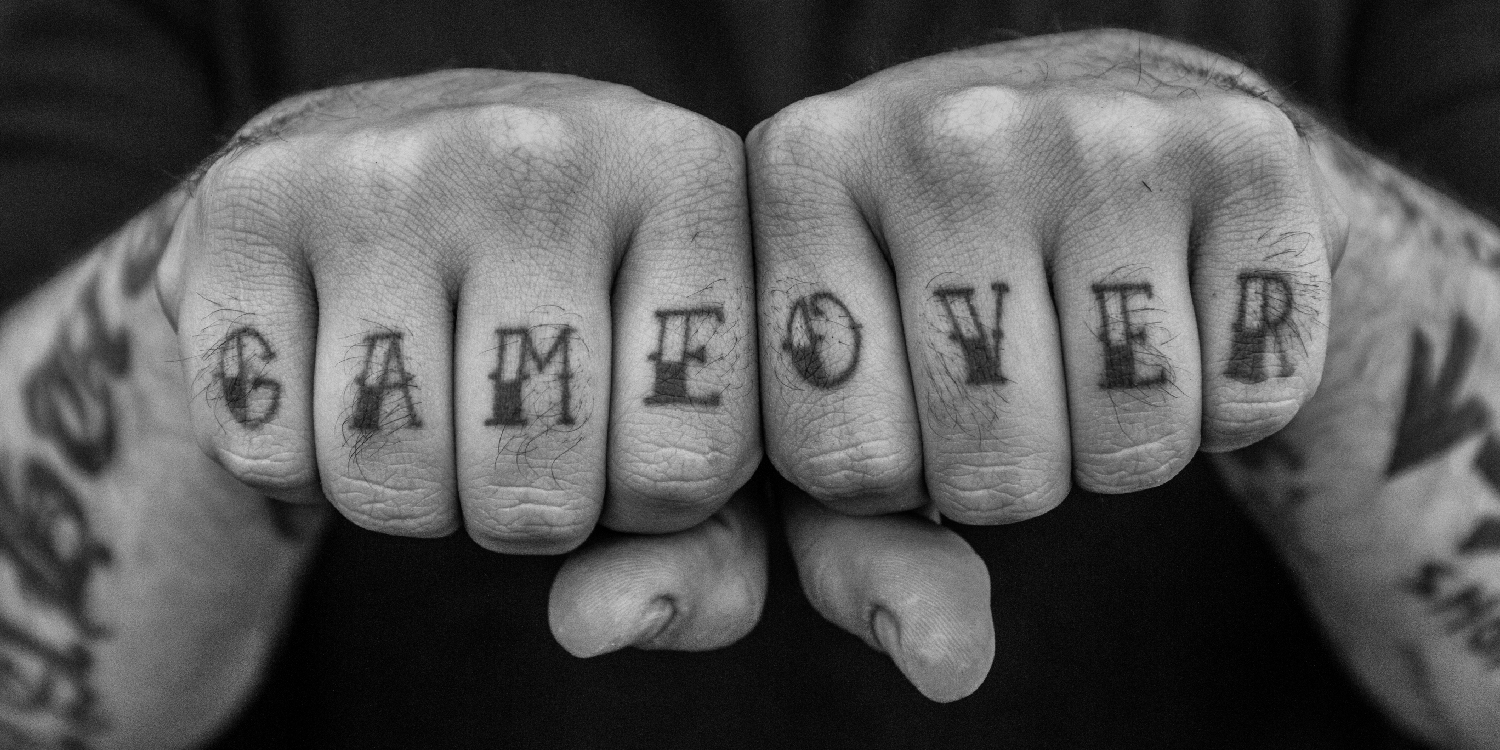
Thin skin with minimal fat or muscle hurts more. These are sensitive areas. Areas such as the ribs, ankles, hands, or collarbone have less padding between the skin and bone. The discomfort during the process is greater, and the pain is sharper. Tattoo artists use careful technique while tattooing such areas.
Longevity of the Tattoo
Skilled tattoo artists consider skin ageing while suggesting placements. Tattoos in high-friction areas fade faster. Tattoos in areas that are heavily exposed to the sun do not age well. As you age, skin elasticity reduces. Stretching of the skin changes the tattoo over time.
Tattoos are best placed in areas that preserve the clarity of the design. Some high-friction areas will require more touch-ups to maintain the integrity of the tattoos. For long-term visibility of fine details, artists consider many factors before suggesting placement. Placements are planned so that the tattoo ages well.
Movement and Flexibility of the Body
Imagine placing a linear tattoo on a joint. Frequent folding of the skin will distort the tattoo. Tattoo artists consider everyday movements while planning placements. The tattoo design has to flow with body movements. If the design gets warped during stretching, it is best to avoid that placement.
If the tattoo has to be placed in high-movement areas, artists usually suggest simple designs. The focus of the tattoo artists is to ensure that the tattoo remains visually balanced while moving.
Design Orientation and Flow
Tattoo artists consider the orientation and flow of a design while deciding on the best placement. Artists consider how the tattoo looks in its natural resting position. The tattoo has to flow with the natural lines and direction of the body.
While placing tattoos, artists consider how the tattoo looks from different angles.
Future Tattoo Plans
Tattoo artists understand that tattoo placement is an important part of creating a tattoo that looks great and lasts over time. Many factors are taken into consideration while planning tattoos. Body contours, skin condition, design size, movement, and long-term durability are some of them. Thoughtfully placed tattoos reflect personal style and retain their visual appeal for many years. At Colibri Tattoo and Piercing, experienced tattoo artists are always available to help you bring your story to life through ink.