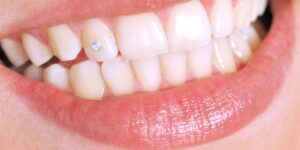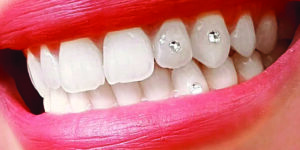

Tooth gems are very popular right now. Getting a tooth gem might seem like an easy decision, but there are several things to consider before proceeding. The process is not as simple as choosing a sparkling crystal and deciding which tooth it should be placed on. You need to understand how tooth gems are applied, whether your teeth are suitable for the procedure, what kind of maintenance they require, and what happens if you decide to remove them.
This is why a tooth gem consultation is important. It is an opportunity to discuss your aesthetic preferences, understand the process, and ask any questions you may have about the process. It helps you assess the provider’s professionalism and transparency. Knowing which questions to ask can help reduce any anxiety you might have about the procedure. Read on to learn the essential questions worth asking during your consultation.
Understanding the Consultation: What Should Happen Before the Application
When you visit a studio for a consultation, ask what the appointment includes. Find out whether the consultation is separate from the application appointment. Some providers combine the consultation with the application appointment, while others schedule them separately. Find out how much time the provider allows for the consultation.
Make sure you ask whether the provider assesses your teeth before the application. Ask to see pictures of the provider’s work. These will help you assess their experience with different tooth gems and placement options. Clarify whether there is a consultation fee. Enquire whether the provider will explain the procedure before the application. Understand the risks involved and whether the provider will explain them to you.
Dental Suitability: Are Your Teeth Appropriate for Tooth Gems?
Tooth gems are bonded to the surface of a tooth, and many remain in place for an extended period. It is important to understand which dental conditions the provider checks for before agreeing to apply tooth gems. Ask whether existing cavities affect your eligibility. Find out whether gum inflammation or bleeding gums can affect your suitability for tooth gems.
Ask how the condition of your teeth may affect your suitability for tooth gems. Ask whether a dental assessment is necessary before the application. If you have tooth sensitivity, ask whether it should be evaluated before you consider tooth gems. If you have had any dental work such as veneers, crowns, or other restorations, ask whether it affects your eligibility for the procedure. Discuss whether orthodontic treatment affects your options. Inform the practitioner about any recent dental procedures.
The Provider’s Qualifications: Who Will Be Applying Your Tooth Gems?
Ask about the provider’s training and experience with tooth gems. Does the provider have formal training or just hands-on experience? It is important to understand the hygiene practices followed at the studio. Proper hygiene practices prevent cross-contamination. During the consultation, ask about the adhesives used in the procedure and whether they have any limitations.
Find out whether the studio has the required local registrations or licences. Enquire whether the studio has professional insurance and which services the policy covers. Before the procedure, clarify how the provider handles discomfort or problems that may arise afterwards. Look at online client testimonials and read detailed feedback. Be wary of providers who claim they can diagnose dental conditions or guarantee that complications will never occur.
Gem Materials and Adhesives: What Will Actually Be Used?
Tooth gems are decorative objects that remain attached to your teeth after the procedure. It is important to understand what they are made of and whether they are suitable for dental use. Not every decorative crystal is suitable for use in the mouth. Find out whether the gem is made of glass, crystal, or another material. Ask what kind of adhesive will be used and whether it is intended for the application.
Look at the shape of the gem and ask whether its base is designed to fit the tooth’s surface. Consider the size of the gem you prefer. Larger tooth gems may cause discomfort and contribute to plaque accumulation. Tooth gems come in different shapes, so discuss your preferred shape with your provider. Different gem shapes may affect comfort, placement, and suitability.
Design and Placement: Which Tooth Gem Will Suit Your Smile?
Every person has a unique smile. If you have a tooth gem design in mind, ask which tooth positions would be suitable for it. Ask whether a single gem or multiple gems will suit your preferences. Look at the gem size options available and decide which size suits your design. Explore the available shapes and see which ones best complement your design.
Check whether the chosen design suits your natural smile. Consider whether you prefer symmetrical or asymmetrical placement. Ask the provider to ensure that the gem’s placement does not interfere with your bite. Enquire whether tooth gems can irritate your lips, cheek, or tongue. If the provider can show you a preview of the placement, ask to see it. The design you have in mind may not always be suitable. In that case, ask the provider whether an alternative that aligns with your aesthetic is available.
The Application Process: What Will Happen During the Appointment?
During the consultation, ask the provider to explain the procedure step-by-step. Knowing the sequence of events can help you prepare. Ask how the tooth is cleaned and prepared for bonding. Ask whether the procedure involves drilling or enamel removal. The dental adhesive is one of the key factors that can influence the outcome. Find out whether the procedure uses a bonding system similar to those used in dentistry. Ask how the adhesive is set or cured to secure the gem. If you have apprehensions about any discomfort you may experience, ask the provider what to expect. Ask what sensations are normal and which ones you should report to the provider. You will need to set aside time for the procedure, so ask about the duration of the procedure.
During your consultation, ask how the provider handles unexpected problems, such as intense discomfort during the procedure. Ask whether the provider will pause the procedure if you experience discomfort and what they will do if the gem is placed incorrectly. Will they reposition it or reconsider the design?
Longevity and Maintenance: How Long Can You Expect the Gem to Stay On?
Tooth gems are accessories that add extra sparkle to your smile. Tooth gems are available in different materials and price ranges. Once you have the tooth gem in place, you need to know how to care for it. Ask whether you need to adjust any oral habits to avoid damaging or dislodging the gem. If you plan to get a large tooth gem, ask whether it is more susceptible to detachment.
You should also ask what happens if the tooth gem becomes detached. Ask whether there are any early signs that the gem is becoming loose. If the gem becomes detached, ask whether it can be reapplied. Ask whether the provider offers a maintenance plan.
Conclusion
Tooth gems are trending, and many celebs and influencers are flashing their sparkly smiles on social media. Getting one may seem like a simple decision because tooth gems can be removed, but removal may require professional care. However, the decision requires careful thought and a thorough understanding of the procedure. At Colibri Tattoo and Piercing, we help clients understand the procedure clearly before their appointments. We address clients’ concerns and welcome any questions they may have. Visit our Toronto studio and learn more.