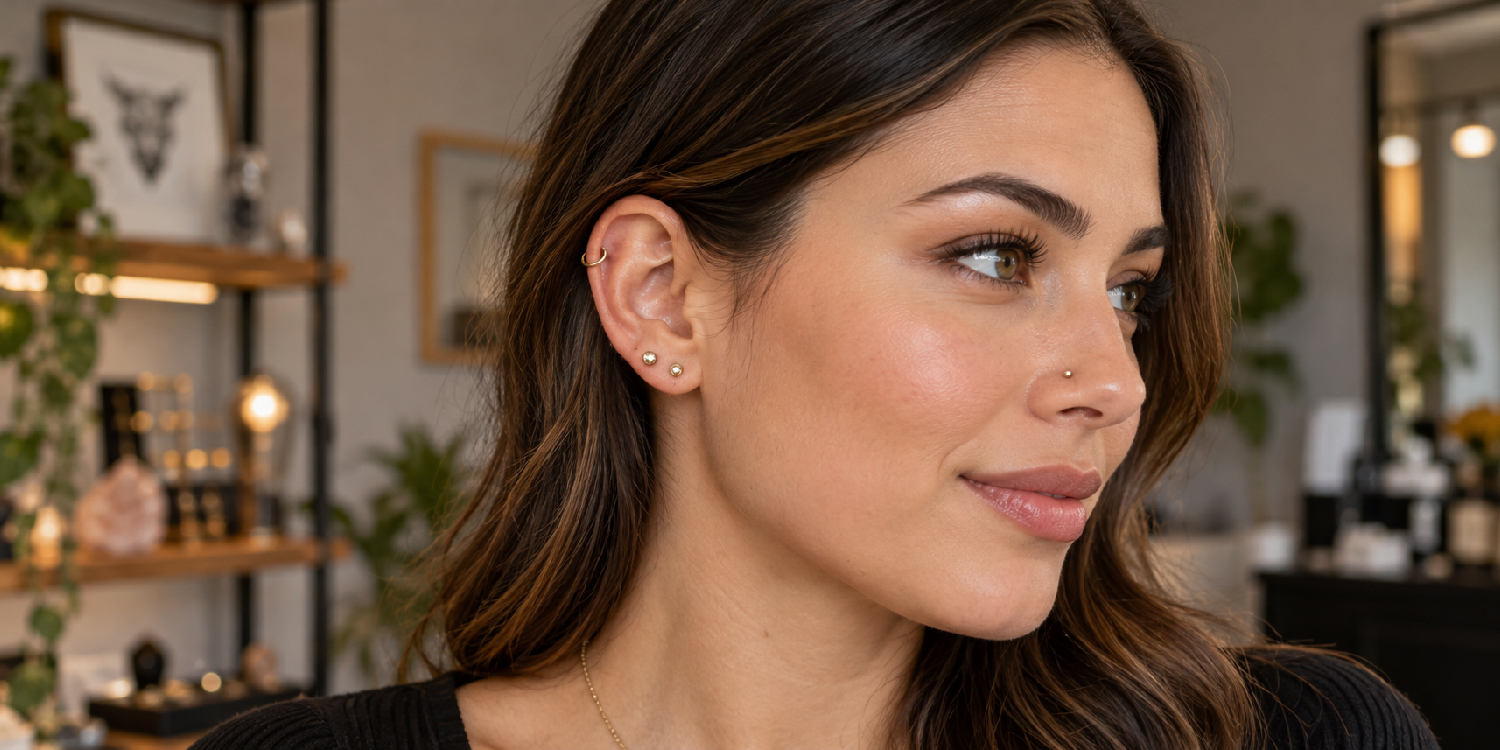

Body piercings are as common as tattoos in 2026. People love to express themselves, and body piercings are a way to do so. Piercings can be classic, quirky, edgy, or bold. Clients chose piercings based on their personalities. Body piercing places are seeing more clients thanks to celebrities and influencers flaunting their piercings.
If you are considering a body piercing and Googling “body piercing places near me”, this blog is for you. A simple search on the web will show you many options, so how do you choose one? This blog is the perfect guide for your predicament. In this blog, we break down questions that you should ask at body piercing places before getting pierced. It will give you clarity about what to expect. It is better to ask these questions before your cartilage makes any major life decisions.
Q1: Can I See Your Sterilisation Setup, or Is it a Secret Family Recipe
Body piercings are essentially wounds. The body treats it as any other wound and tries to repair it. Proper healing of the piercing makes all the difference. There is always the risk of infection if the facility does not follow a standard sterilisation protocol.
Before choosing a piercing place, enquire about their sterilisation process. Professional piercing places are always willing to explain their sterilisation process. The way studios answer this question reflects on their professionalism. Know the difference between clean and sterile. Disposable equipment should be single-use. Studios that invest in autoclaves are serious about sterilisation. The packages and kits used must be sealed. It is a red flag if staff avoid questions about sterilisation.
Q2: Who Exactly Is Going to Be Holding the Needle?
Piercing is a craft mastered with experience and refined skill. Ask about the piercer and their experience. All piercings are not the same; some require more experience and technique than others. Piercers may have more experience in certain kinds of piercings. Ensure that the piercer assigned to you has enough experience in your kind of piercing. Look through the portfolio reviews. Experienced piercers handle complications better. They have steady hands and can calm anxious first-timers.
Piercers who continue to upgrade their skills and techniques through ongoing education are reliable. They will know body anatomy and can recommend proper placement. Another underrated skill of piercers is communication. You should feel comfortable enough with the piercer to discuss your options and air any apprehensions.
Q3: Have You Pierced This Body Part Before, or Am I Your Science Project?
Every piercing has unique challenges. Every person’s body has a unique anatomy. Piercers with experience understand these challenges. If you are leaning towards an uncommon piercing, such as dermal anchors or anti-eyebrow piercings, ensure that the piercer has experience in these piercings. Every piercing has a pain level and healing time. Ask the piercer about these aspects of your particular piercing. Equip yourself with knowledge about all possible complications and how they are managed.
All types of jewellery may not be suitable for all piercings. Know the options for your piercing. Ask questions to understand whether the piercing suits your anatomy. You might have been inspired to get a piercing by a celebrity, but ask the piercer if it suits your body. Good piercers will give you honest recommendations rather than offering empty assurances to secure business.
Q4: What Jewellery Am I Wearing for the Next Several Months?
Most piercers finish the process with starter jewellery. They are usually hypoallergenic, nickel-free, and highly biocompatible. Starter jewellery is often made of implant-grade titanium and 14k to 18k solid gold. These materials help reduce the risk of irritation and infection. They promote the healing process. Flat-back studs are preferable over hoops. Hoops are usually avoided because they rotate and twist. Jewellery with smooth surfaces is used as starter jewellery.
Piercers can recommend the right jewellery for piercings. Ask the piercer about the correct fit for your piercing. Decorative pieces will have to wait till the healing is complete. The choice of jewellery affects healing.
Q5: How Much Is This Going to Cost Me?
It is better to know how much the piercing is going to cost you beforehand. Nobody likes surprise expenses. Before settling into the chair, ask for a complete breakdown of the costs involved. Studios may advertise special prices to attract clients, but they may not cover all the expenses. When prices seem significantly low, they may not include the price of jewellery, aftercare products, and follow-up appointments.
If a studio advertises unbelievably low prices, it is worth asking why. Understand that a quality piercing is an investment. Professional body piercing places price their services based on the standards they maintain, including high-quality jewellery, sterile equipment, and experienced piercers.
If you are planning multiple piercings, ask whether package pricing is available.
Q6: How Much Is This Going to Hurt on a Scale of Paper Cut to Stepping on Lego?
Pain is indeed subjective. People have different pain thresholds. First-timers visit body piercing places with many apprehensions and anxiety. Pain tolerance varies in different parts of the body. Ask piercers about what you should realistically expect. Piercers often explain that clients imagine the worst, and are pleasantly surprised when the pain is not as intense as they imagined.
Experienced piercers with technical skills complete the process with lower discomfort. During the process, adrenaline plays a role in managing the pain. Ask about the pain levels during the recovery period.
Q7: How Long Will My New Piercing Be Angry at Me?
Ask questions about the healing time. Different piercings have different healing times that vary from a few weeks to many months. Healing isn’t a linear process; it depends on proper aftercare. Piercers will explain how lifestyle affects healing. If the piercing is on a side of the body, it is recommended that you avoid sleeping on that side. Ask when you can resume exercising. Nutrition plays an important role in recovery. Understand how to tweak your diet to enhance healing.
Ask what healthy healing looks like and what signs indicate issues with the healing process. It is better to get healing information from body piercing places than from Google.
Q8: What Mistakes Are Most People Making After They Leave?
Most piercings do not heal well because clients are not properly informed about the mistakes that impair healing. It is tempting to touch the piercing, but not a great idea for healing. Ask how often and how to clean the piercing. Overcleaning can slow healing. Know which products should be used to clean the piercing. Have a clear understanding of when it is appropriate to change the jewellery.
Aftercare is an important part of the healing process. Take time to discuss and understand proper aftercare.
Conclusion
Before letting the needle anywhere near your body, research body piercing places near you thoroughly. Read online reviews about the studio. Visit the piercing studio and ask the questions covered in the blog to ensure that the experience is smooth. When you have all the information about the process and possible complications, you are better prepared to make informed decisions and manage the healing process. Your fears and anxieties can also be managed better when you equip yourself with information.
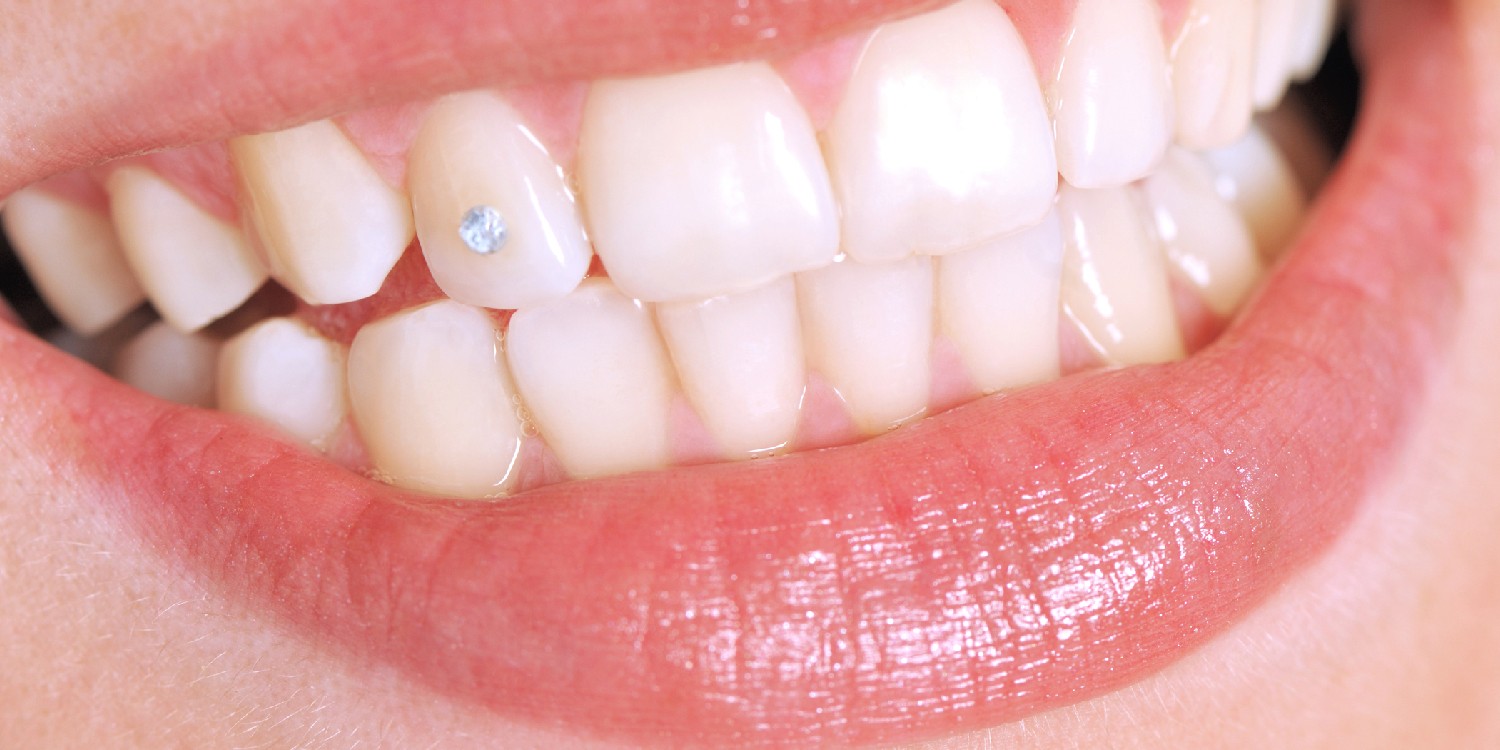
If you are looking for body piercing places in Ottawa, Montreal, or Toronto, visit Colibri Tattoo & Piercing for a memorable experience. Our services include tattoos, permanent jewellery, tooth gems, and body piercings. Contact us to learn more or book your appointment today.