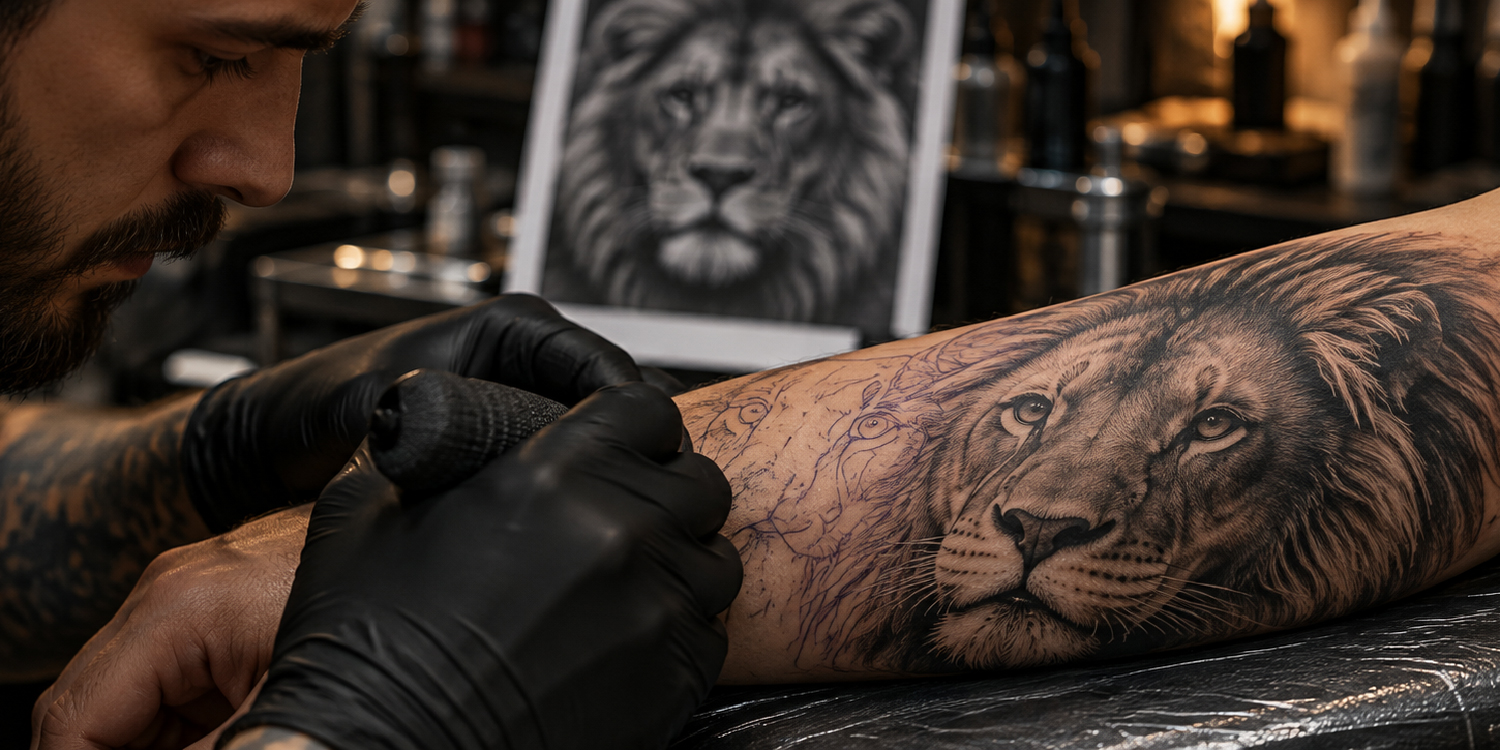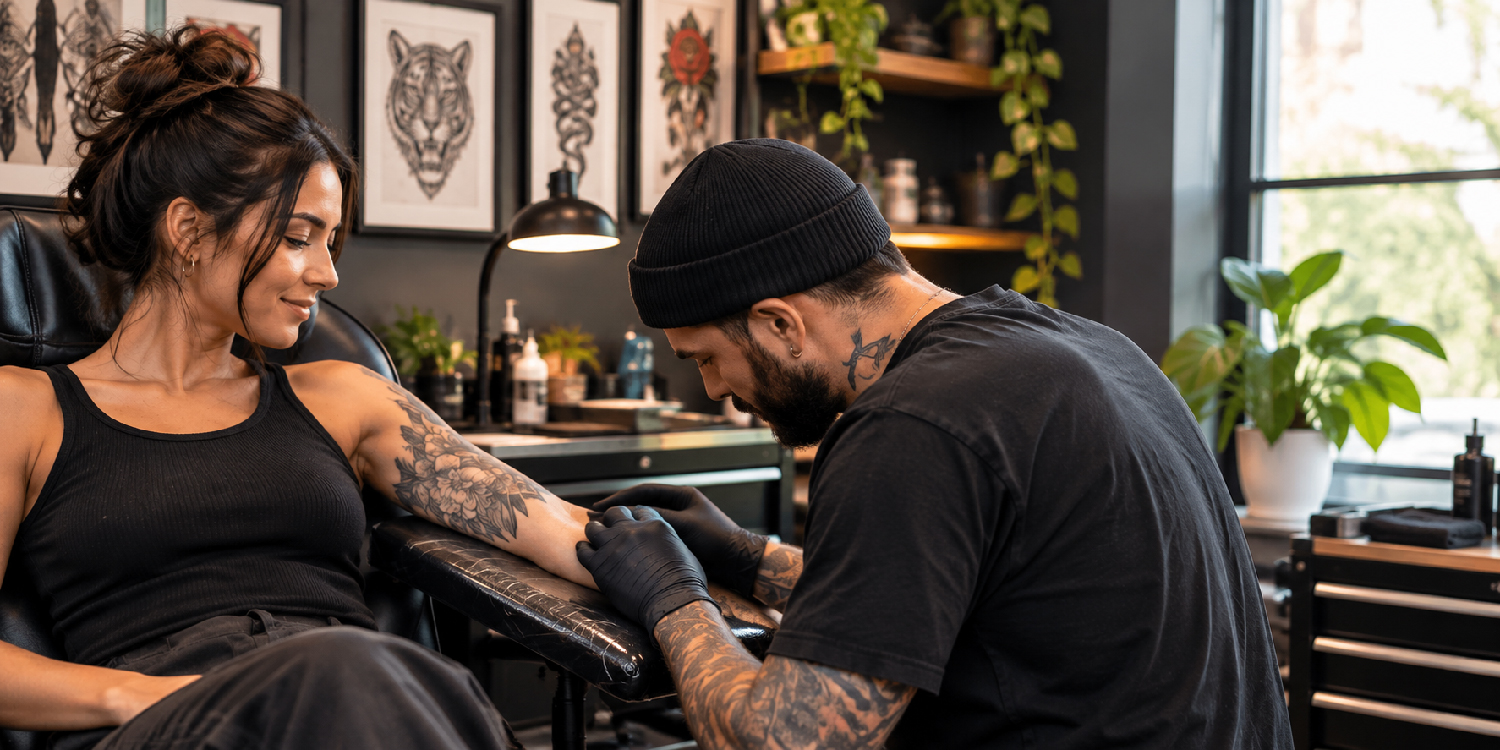
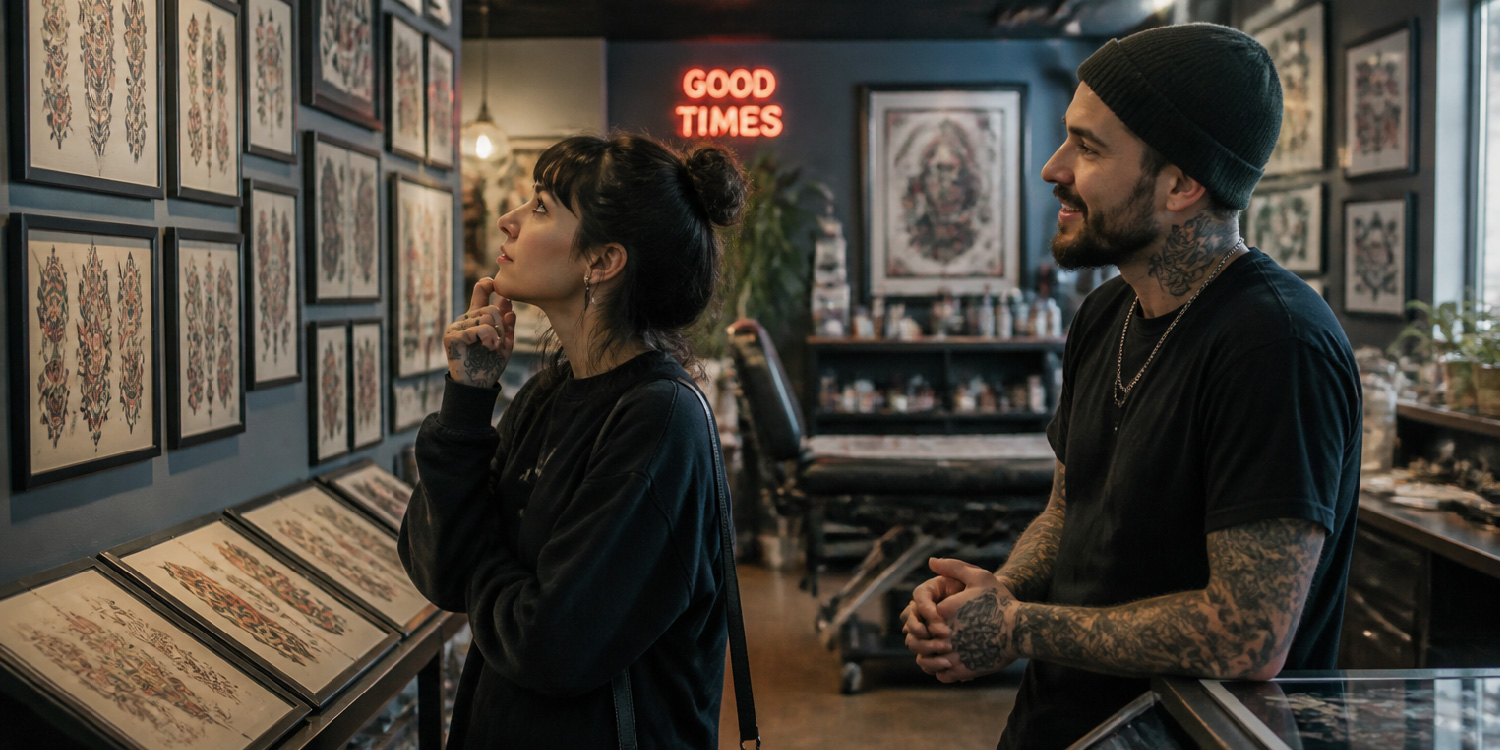
When you want a tattoo on a whim, walk-in tattoo shops can be the best choice. Walk-in tattoo shops have clients who get tattoos for many different reasons. Usually, tattoos are carefully planned well before people search for a “tattoo parlour near me”.
Artists at these shops have to work quickly and generally avoid large designs with excessive fine details. The main difference between regular tattoo shops and walk-in tattoo shops is that the latter do not require appointments. The usual process of lengthy consultations, design refinement, and discussing uncertainties may not always happen in walk-in tattoo shops. Clients are accommodated on a first-come, first-served basis, and you may have to wait for your turn.
This blog explores the psychology of people who choose walk-in tattoo shops.
Why Humans Suddenly Crave Permanent Decisions at Random Times
When life routines become emotionally repetitive, the brain craves novelty. It can be a way to break the monotony and add excitement to a humdrum routine. Impulsive tattoo decisions often happen during life transitions. When people go through major transformations in their lives and want to wear it on their sleeves (pun intended), a tattoo can be the best means to do so.
For some, it might have been a yearning for years and with a sudden confidence boost, they muster up the courage to do it. Some people romanticise impulsive moments because they feel like dramatic turning points. Most people prefer tiny tattoos because they feel psychologically safer than huge commitments. Like Stu Price in “The Hangover”, a crazy night of revelry can also result in an impulsive tattoo. Sometimes, an adrenaline rush can override logic and rational thinking.
The “I Need to Reinvent Myself Immediately” Phase
For some people, haircuts are a great way to reinvent themselves. For others, there are tattoos! When people go through life changes, they may want to reinvent themselves. They may want something tangible that symbolises their strength and resilience. It could be a career change they never saw coming. Or a painful breakup they never thought they would recover from.
Tattoos can be a way to separate “old me” from “new me”. Walk-in tattoo shops are ideal for people who want an instant transformation. Some people get tattoos after travelling to cherish the growth and transformation of the experience. A midlife crisis or quarter-life crisis can often trigger the desire for body modifications. Some clients want a reminder they can look back on as proof that they survived difficult periods.
How Walk-In Tattoo Shops Encourage Spur-of-the-Moment Thinking
Walk-in tattoo shops reduce the psychological pressure associated with getting tattooed. The energy in walk-in shops is different from that in regular tattoo shops. There is an added layer of excitement because many people are acting on a whim.
Seeing others get tattoos can create momentum for your own decision. Flash sheets help clients make decisions fast. Conversations with other clients reduce nervousness and boost confidence. The music, artwork, and energy stimulate impulsive behaviour. There is no time to second-guess the decision. Tattoo artists can help simplify overcomplicated ideas. Walk-in shops can sometimes feel less intimidating than high-end studios.
Sometimes, it can be a group of friends walking in together to get matching tattoos. The environment itself becomes part of the experience.
The Role of Stress, Anxiety, and Emotional Release
Physical pain can distract people from emotional stress. Some people get impulsive tattoos after emotionally exhausting weeks. A tattoo session can feel therapeutic because clients are forced to sit still and focus for a while. Adrenaline and endorphins create temporary emotional relief.
Some clients describe tattoos as “mental decluttering”. Getting a tattoo can help people externalise their internal struggles. The process of aftercare gives people something to focus on.
Friendship Psychology and Group Tattoo Decisions
All of us know at least one friend or family member who got a tattoo because it seemed like a fun thing to do with friends. Friends reduce fear through group excitement. Matching tattoos create instant bonding experiences. When you are with friends, bravado often speeds up decision-making. People experience FOMO when all their friends decide to get tattoos.
This situation is more common when friends travel together. Shared tattoos often become permanent inside jokes. Walk-in tattoo shops thrive on this social momentum. Collective impulsiveness feels safer than acting alone.
Why Tiny Tattoos Feel Easier to Commit To
Small tattoos are psychologically less intimidating. Even the most indecisive person can commit to tiny tattoos. Minimalist designs can reduce commitment anxiety. Small tattoos can be easier to hide. First-timers prefer tattoos that are not too big or bold.
Social media has normalised delicate tattoos with minimalistic designs. Clients often downplay small tattoos as “not a big deal”. The short tattoo session can feel less overwhelming. Tiny tattoos often carry private meanings rather than dramatic statements.
The Hidden Influence of Social Media on Last-Minute Tattoos
TikTok romanticises spontaneous tattoo culture. Influencers and celebrities showcase tattoo trends that motivate their fan base. Celebrities often share their tattoos and the meanings behind them on social media. Influencers normalise casual tattoo appointments. Instagram trends create visual temptation. Viral tattoo videos can inspire impulsive decisions. It can seem glamorous and adventurous.
Tattoo reveals on social media inspire many people. Some people get tattoos to follow flash tattoo trends or for photo opportunities.
Why Regret Isn’t Always the Villain People Think It Is
Not every impulsive act turns into a lifelong regret. Some tattoos become meaningful because of the memories attached. People can grow into their tattoos. Even if the tattoo is imperfect, it represents authentic life moments. They are actually emotional snapshots of a particular moment in life.
Sometimes “questionable” tattoos become great conversation starters.
How Tattoo Artists Read Human Behaviour Better Than Therapists Sometimes
Tattoo artists in walk-in tattoo shops often act like therapists. Sometimes even better than the real deal. Artists quickly pick up on the client’s nervous energy and behaviour patterns. They can recognise nervous energy patterns. Sometimes, artists can recognise rash, impulsive decisions and try to counsel clients out of reckless choices.
When the reason behind the tattoo is emotional, clients overshare within five minutes of sitting down. Tattoo artists become emotional confidants. Silence during the tattoo process can signal emotional processing. Skilled artists balance honesty and encouragement.
Why Last-Minute Tattoos Often Become the Most Memorable Ones
Impulsive tattoos are often tied to emotional moments or hilarious backstories. People never forget the exact mood behind impulsive tattoos. Clients who get tattoos to cope with emotional stress will remember the resilience that helped them overcome the hard weeks. Friends who get impulsive tattoos together have a funny story to tell for life.
Spontaneous tattoos can feel more authentic to some people. People often remember the entire experience as part of the tattoo’s story.
Conclusion
People who get impulsive tattoos at walk-in tattoo shops have a different mindset. They may get tattoos for emotional reasons, or simply because of a spur-of-the-moment decision. Impulsive tattoos can feel less intimidating and help clients endure hard times. Not all spontaneous tattoos result in regrets.
At Colibri Tattoo & Piercing, we offer professional tattoo and piercing services. If you are planning to get inked or “linked”, visit us today!