
When you decide to get a tattoo, you have two options: a generic one or a unique one. It is easy to walk into tattoo shops and choose a design from a flash sheet. A custom tattoo is different because it is unique to you and tells your story. It can mean a myriad of things. It can represent the memory of a loved one, a milestone, an artistic vision, a passion, a philosophy, or a statement. A custom tattoo needs more thoughtful planning and execution.
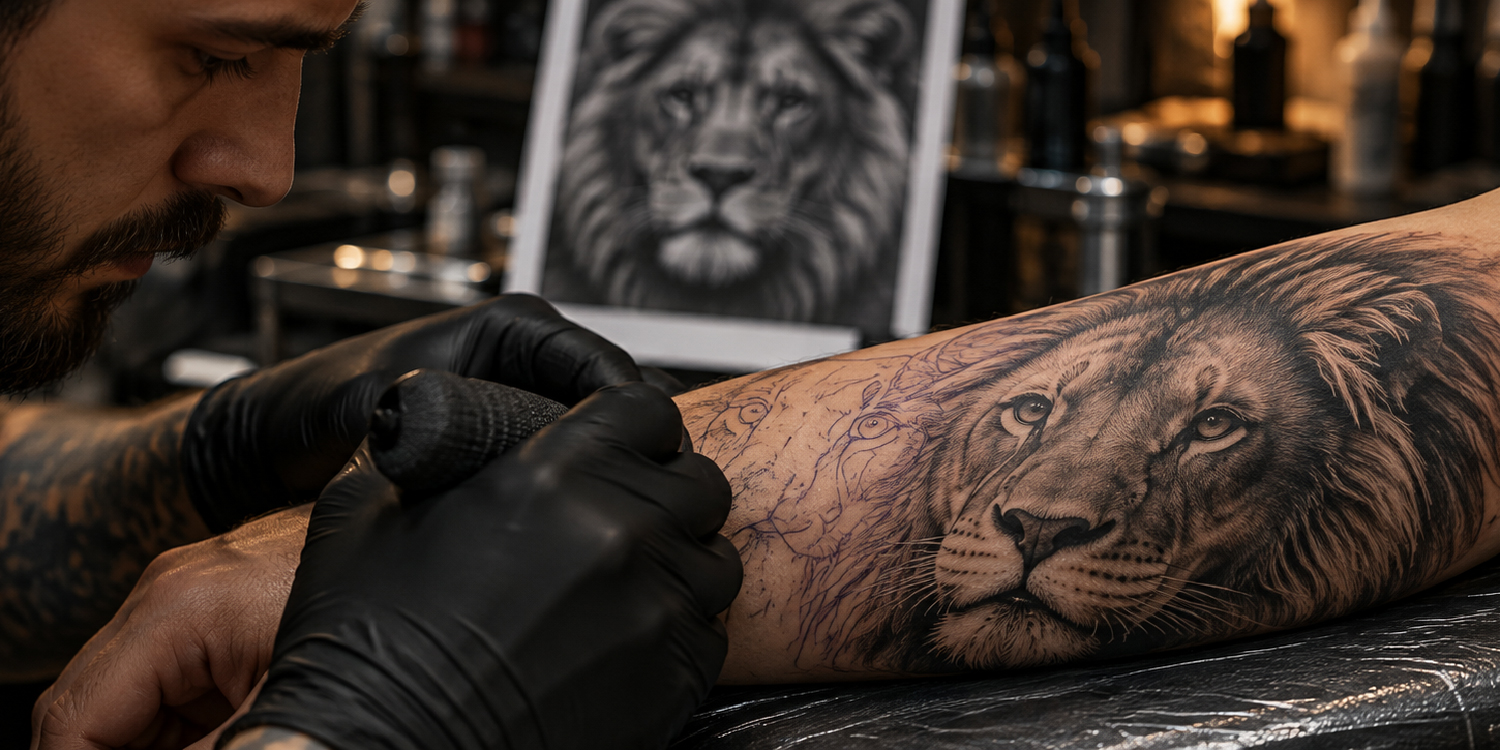
At Colibri Tattoo and Piercing, we do not just ink your skin. Every custom tattoo is a creative endeavour. From turning vague ideas into meaningful artwork to refining every detail, we work with the client to deliver something truly personal. Read on to understand how tattoo shops transform your ideas into the perfect custom tattoo.
Understanding the Story Behind Your Tattoo Idea
Consultation is the beginning of the process at tattoo shops. Tattoo artists try to understand the personal meaning behind the tattoo. The emotion behind the tattoo can shape the design and help artists include elements that make it truly unique. Sometimes clients want to convey emotions through the tattoo. Some clients explore memories or milestones with the artwork. Others ink life experiences on their skin.
Tattoo artists try to understand if the tattoo is symbolic or decorative. They try to understand the client’s hobbies, interests, and passions to gain insight into their personality. Artists have to plan the design so that it stays relevant for years to come. They also try to understand the aesthetic of the client to design a tattoo that feels personal.
Transforming Simple Ideas into Original Artwork
The challenge that appeals to tattoo artists is to turn rough concepts into professional designs. Sometimes clients can have multiple ideas, and artists have to combine them into a cohesive design. A good artist tries to create completely original designs. Artists add tiny details that enhance the design and further customise it.
Clichés are usually avoided by artists. Creativity is balanced with readability. The focus is to keep the design distinct. Artists develop multiple design ideas and rework them to nail the exact design that speaks to the client. A design that looks good on one client may not look good on another. Artists guide clients about the appropriate design and placement.
Choosing the Tattoo Style That Fits Your Vision
There are many tattoo styles that clients can choose from. The designs range from traditional to modern to geometric and abstract styles. During consultations, artists try to understand the client’s style to match the artwork to the client’s personality. The style has to match the design and the client. Sometimes designs work better when styles are blended. The next step is to decide the colours. It can be a black-and-grey design or a colour one. Artists also use negative space and shading gradients to enhance tattoos. Sometimes, artists introduce new styles to clients that they have never considered. The style has to enhance the design.
Finding the Perfect Placement on Your Body
The placement of the tattoo is just as important as the design. Once the design is fixed, artists guide clients about the right placement. The size of the tattoo has to match the placement. The placement depends on the body contours. Some designs need a firm expanse of skin while others curve around the musculature. Body movement can also affect the design.
Sometimes, professionals prefer the tattoo to be discreet. Some workplaces do not encourage tattoos that are highly visible. When clients have tattoos, new tattoos have to be designed around existing ones. Future body art expansion or a sleeve design also influences the placement. If the design demands symmetry, the placement has to accommodate it. Pain levels vary across the body. Placement also depends on the pain level of the chosen area.
Perfecting the Size, Scale, and Proportions
The size has to suit the design. Too many intricate details in small tattoos can make them look crowded. The tattoo design has to remain readable, so artists keep the details in line with the size of the tattoo. The design has to fit the placement area. Large tattoos will look better on the thighs or back, whereas small tattoos on the same area may not look as great. On large tattoos, artists take the liberty of including fine details.
The focus is on visual harmony. While planning the placement of tattoos, artists ensure that the tattoo ages well in the placement area. Most artists consider the movement, stretching, and ageing of the skin while deciding on the placement.
Personalising Every Design Element
Certain elements can be added to the design to make it personal. Custom typography makes the tattoo unique. Sometimes, artists include birth flowers and meaningful botanical elements to customise the design. Personal symbols can also be added to the design. For tattoo designs that symbolise an event, coordinates of special places are inked.
Some clients want tattoos that honour a loved one. It can feature a lettering tattoo in the loved one’s handwriting, or a portrait of them. Special dates that commemorate an event or a person can also be a part of the design. Sometimes religious or spiritual symbols add more personal meaning to a design.
Helping You Visualise the Final Tattoo Before It’s Inked
When designs are customised, tattoo shops show the clients a few mock-up tattoo designs that the clients can choose from. With the advent of digitalisation, artists can offer many mock-ups and, if needed, modify them further to suit the client’s needs. The tattoo placement can be reviewed using digital tools. Making many revisions before the tattooing process has become much easier with digital tools.
When the tattoo is visualised on the body, the sizing options can also be reviewed. The design proportion can be adjusted to suit the placement area. The preview process gives clients more confidence before committing.
Refining the Design Through Collaboration
A good tattoo is the result of collaboration between the client and the tattoo artist. Tattoo shops encourage open communication, and artists welcome constructive feedback. When the client insists on certain designs, tattoo shops find a compromise between ideas and practicality. Artists at professional tattoo shops also guide clients about realistic expectations.
The design is finalised only after the client and artist are completely satisfied with it.
Using Professional Experience to Avoid Common Design Mistakes
Professional tattoo shops do not encourage copied artwork. The idea is to make the tattoo personal, and copying another artist’s design is not ethical unless permission is granted. Poor placement choices can reduce the beauty of the design. Tattoo shops discourage overly trendy designs that date quickly.
Tattoo shops ensure that the design stays relevant beyond trends and ages well.
Conclusion
Tattoo shops create custom designs for clients through a collaborative process between the client’s imagination and the artist’s expertise. Professional tattoo shops make the most of the consultation to understand the client’s story and translate their vision into art that is beautiful and personal.
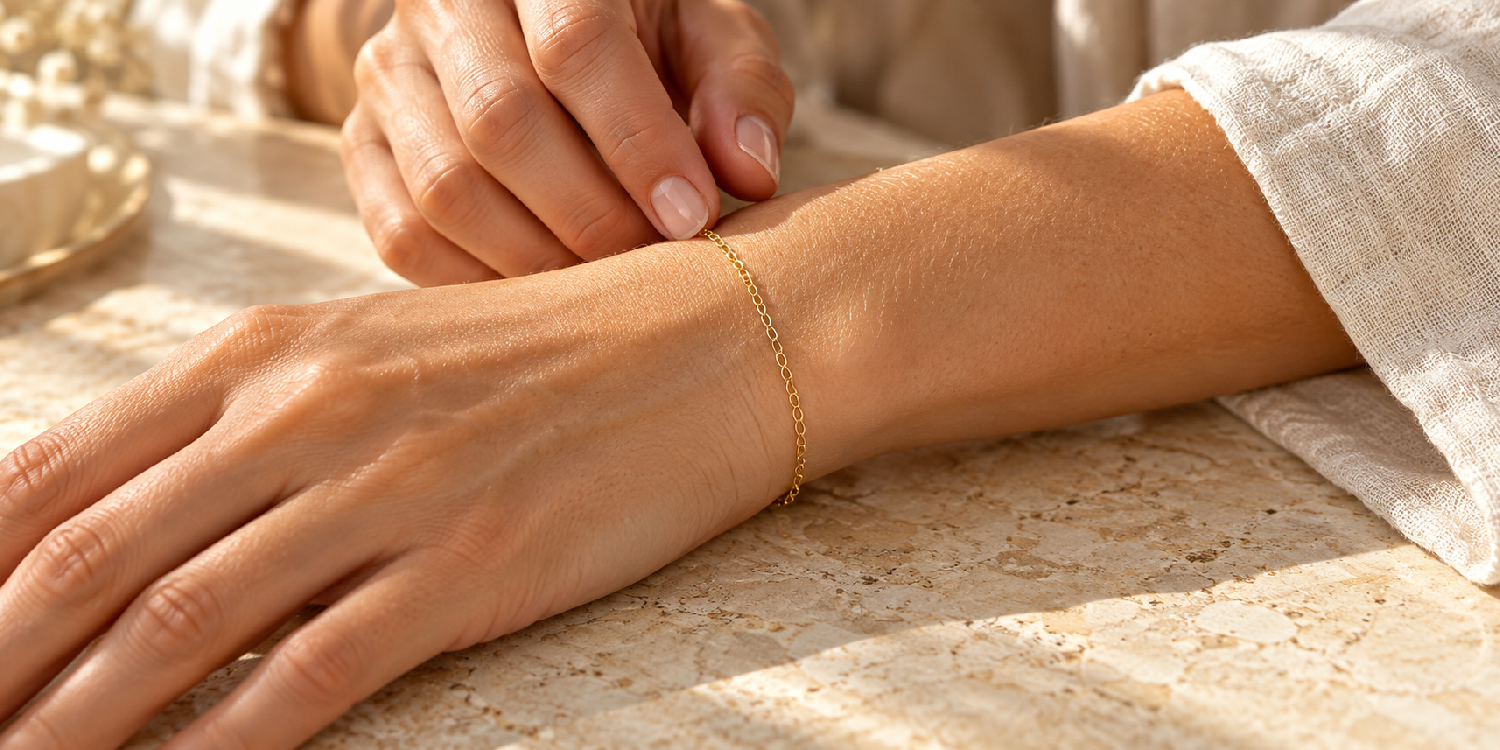
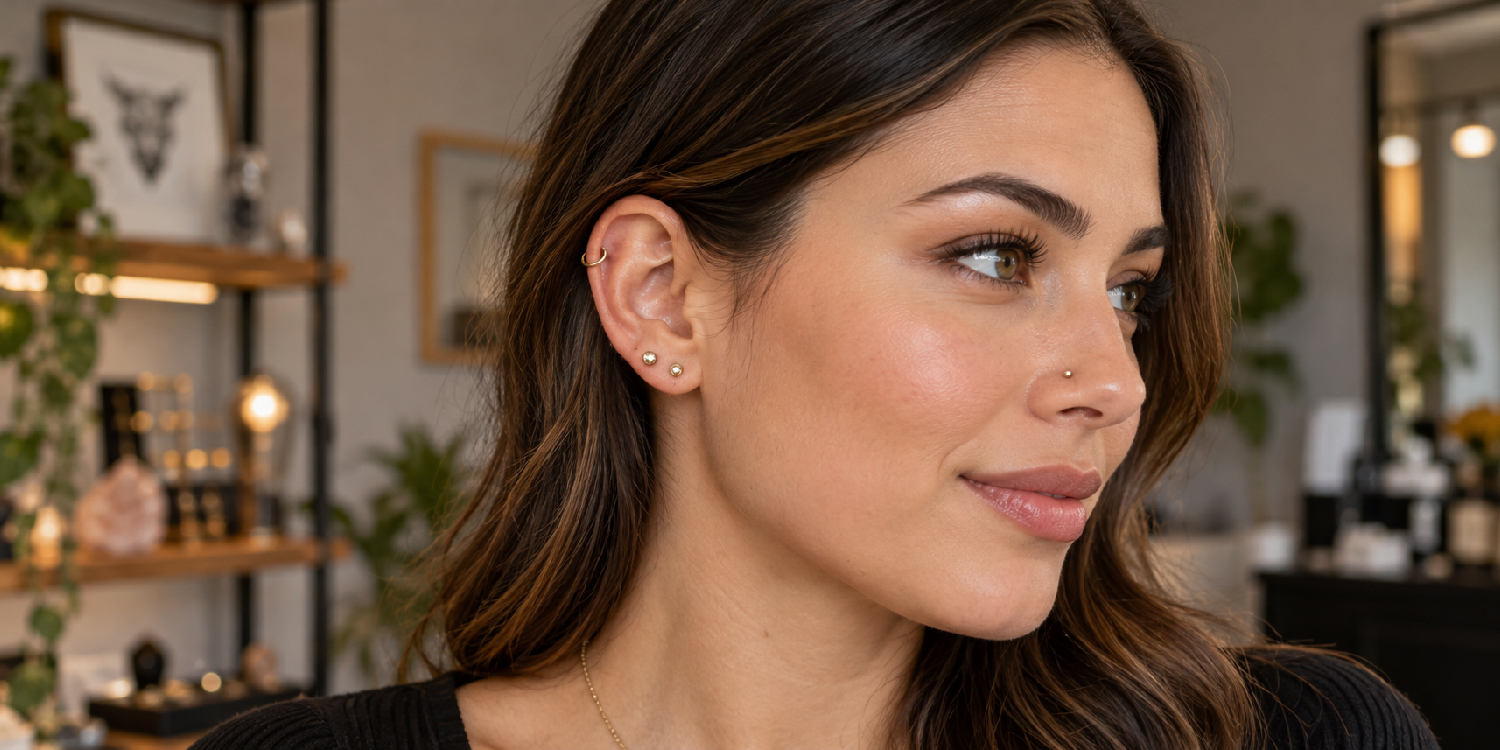
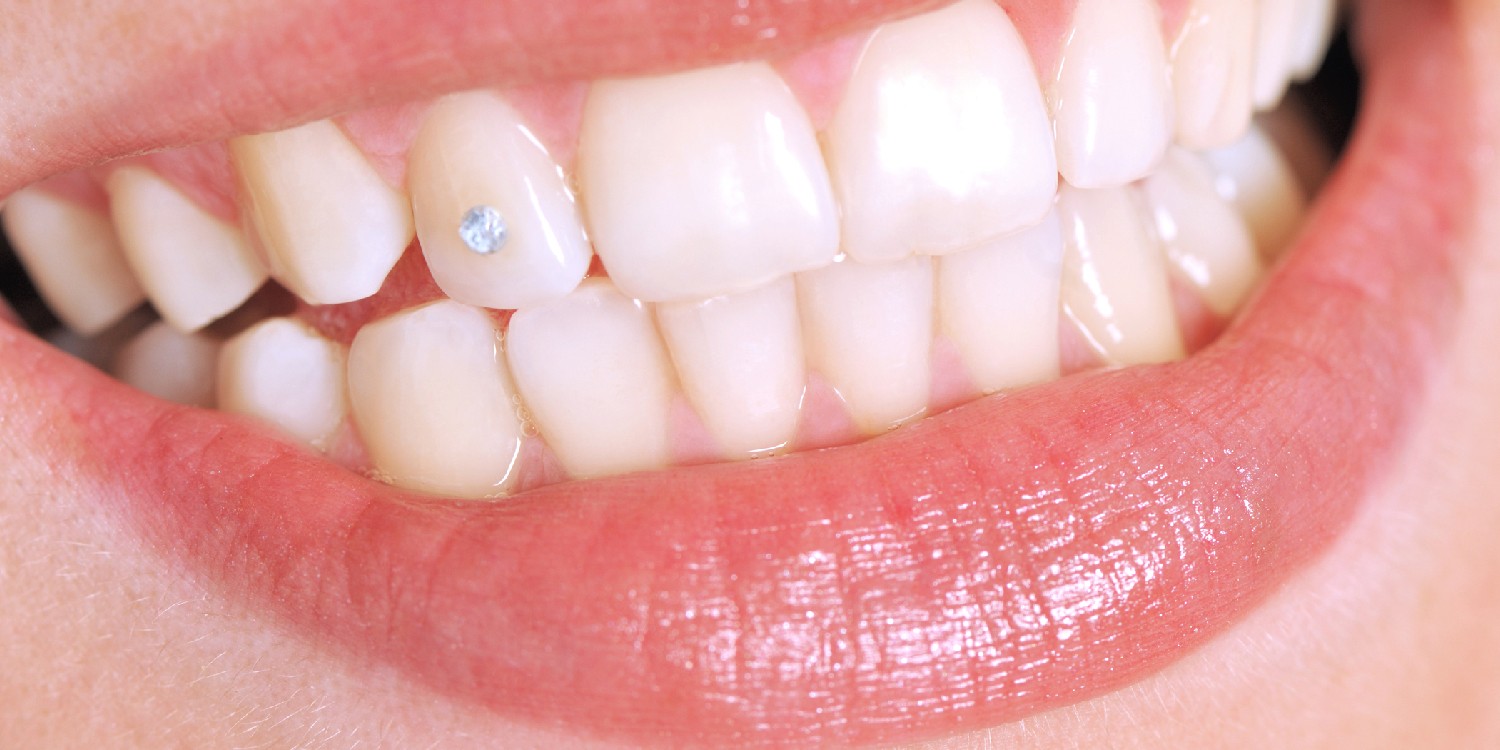
Colibri Tattoo and Piercing is one of the most reputed tattoo studios in Canada, with locations across major cities. We also offer piercings, tooth gems, and permanent jewellery services. Book an appointment to learn more.