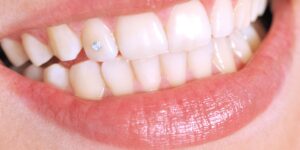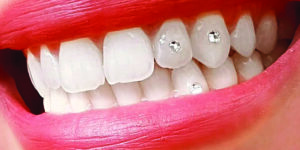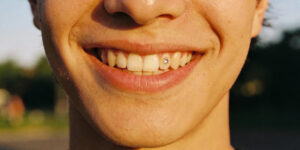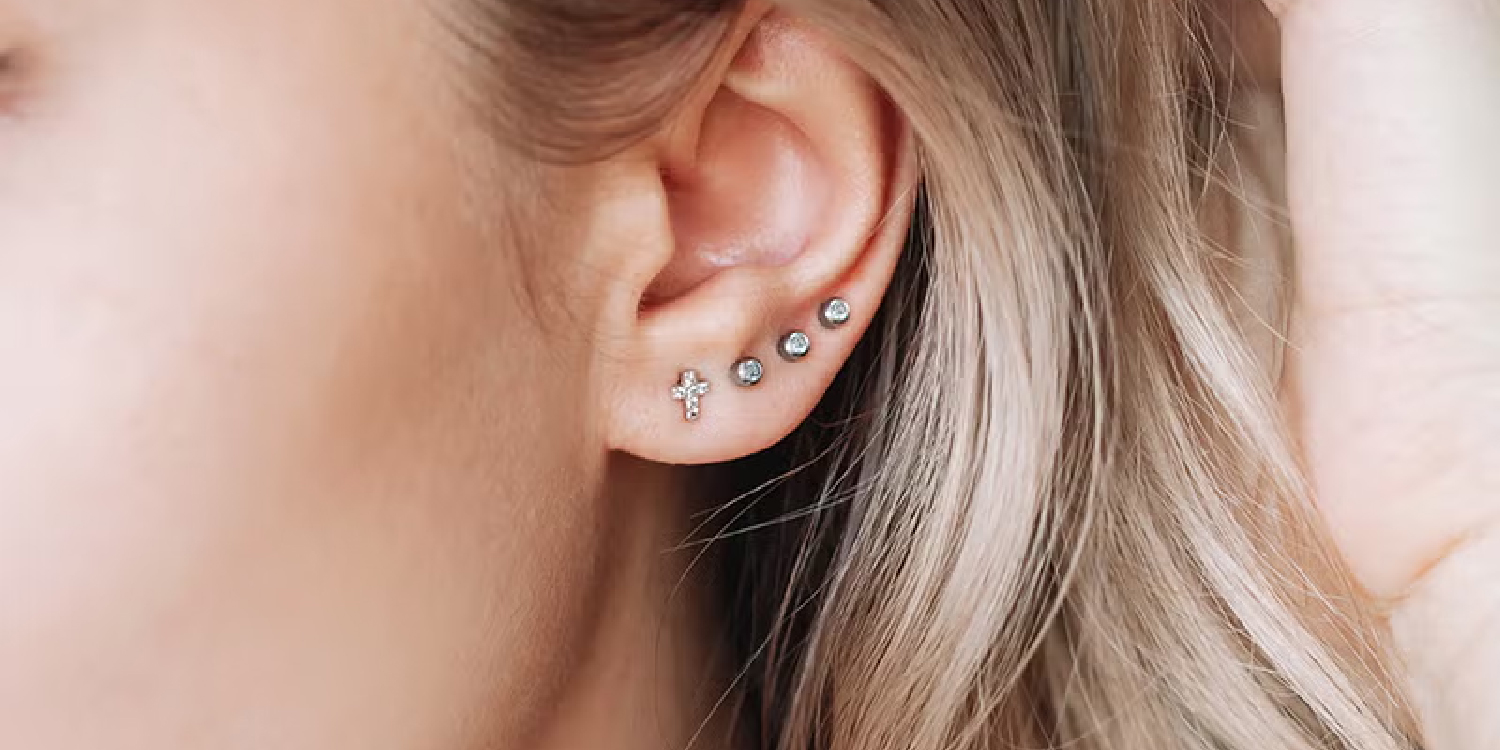
Celebrities like Katy Perry, Bella Hadid, and Hailey Bieber have flaunted them on the red carpet. They used to be the bastion of celebrities until recently. Today, they are easily available to anyone who wants to add a sparkle to their smile. Whether it is a tiny crystal or a subtle gold accent, these miniature accessories are turning smiles into conversation starters.
Tooth gems are rising in popularity today. But there are many misconceptions about them. Some people believe these gems are harmless, while others think they can ruin your teeth forever. Some people even believe that installing gems requires drilling. The internet is full of information about tooth gems—some of it true, but much of it made up of dramatic claims and half-truths.
So, are tooth gems actually safe? This blog answers this question so that you can separate fact from fiction.
What Exactly Are Tooth Gems? Before We Bust Myths, Let’s Start Here
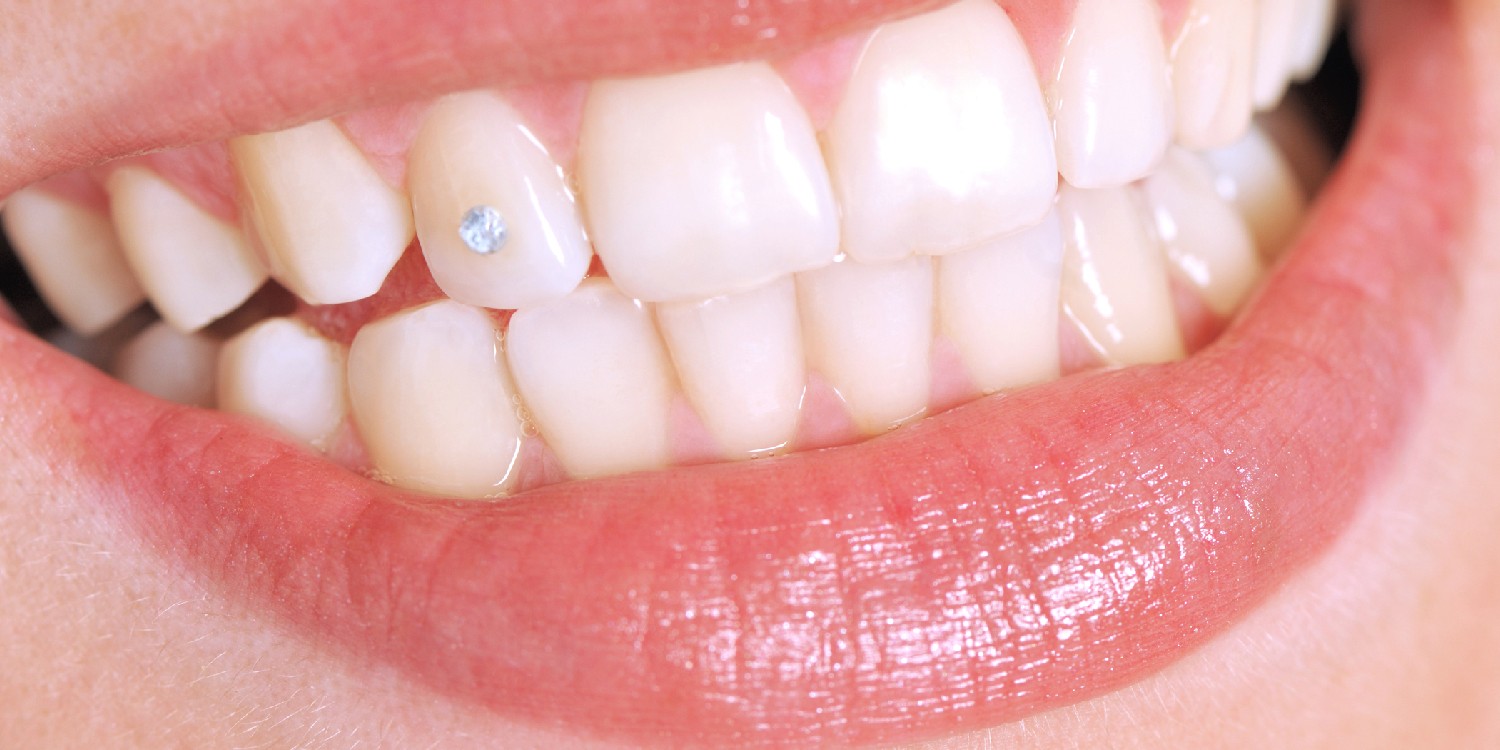
Before we get into the details of the topic, let us first understand what tooth gems are. They are tiny crystals, rhinestones, or precious metals glued to the front of a tooth to add sparkle. They are cosmetic enhancements that are attached to the tooth without any drilling or alteration of the tooth structure. In the past, these gems used to be applied with invasive practices. They are not permanent and should be removed professionally. Only candidates with healthy enamel are eligible for the procedure.
It is always important to get professional-grade gems that are certified safe. They are usually made of glass crystals (like Swarovski), gold, or precious gems. They are bonded to the tooth with high-quality, medical-grade dental resins. The quality of tooth gems and bonding materials is important to protect your tooth enamel, prevent exposure to toxic chemicals, and avoid oral health complications.
Myth #1: Tooth Gems Damage Your Enamel
This myth tops the list of myths about tooth gems because it is so far removed from reality. This myth has people believing that this procedure requires drilling into the tooth and permanently altering it. The image that this myth conjures up is straight out of a horror movie!
The procedure starts with cleaning and polishing the tooth. A mild etching gel is then applied to roughen the surface for stronger bonding. A dental-grade bonding resin is painted on the tooth, and the crystal is placed on it and cured using a UV/LED curing light. Professionals ensure that the enamel remains intact during application. DIY kits can use low-grade products that can affect the enamel and cause permanent damage to the tooth. The removal process also has to be done by professionals. Excessive scraping can damage the enamel. Improper removal can cause problems, not the gem itself. DIY kits come with low-grade adhesives that can damage the enamel.
Myth #2: Your Tooth Will Rot Under the Gem
Tooth gems are artificial elements attached to the tooth. The raised edges of the gem can create a border where bacteria can accumulate and are not easily removed with toothbrush bristles. Plaque develops on teeth under normal circumstances. With gems, plaque builds up quickly. The trapped bacteria produce acid that attacks the enamel. People with tooth gems have to be thorough with their oral hygiene practices to prevent plaque and decay. Regular dental checkups can help prevent decay.
Cleaning can be challenging with these gems because the areas around the gems are not easily accessible with regular toothbrushes.
Myth #3: Tooth Gems Fall Off Immediately
Professionally applied tooth gems stay attached for six months to several years. The longevity of these gems depends on the quality of placement and care taken during placement. High-grade adhesives strongly bind the tooth gem to the tooth. It is better to avoid hard or sticky foods when you have tooth gems. Using harsh abrasive toothpaste can dislodge the tooth gem. Hard brushing should also be avoided.
Some daily habits can also impact the longevity of tooth gems. Bruxism or teeth grinding can impact the tooth gems. While applying tooth gems, the adhesive must be properly cured to the tooth surface with proper curing techniques. The correct placement of the tooth gem is crucial for it to last. If the tooth gem falls off, it leaves behind some residual adhesive. A professional technician or dentist can safely polish off the remaining bonding resin using professional dental tools.
Myth #4: You Can’t Eat Normally with Tooth Gems
It is entirely possible to eat normally with tooth gems. Minor adjustments can help preserve the gems for longer. Hard foods, sticky foods, and tough foods have to be avoided after applying tooth gems.
While eating, chew with the molars instead of biting into food with the front teeth. While eating whole fruits and vegetables, such as apples or carrots, cut the food into small pieces before eating. Dark liquids like coffee, tea, or red wine have staining pigments that can colour the glue rings around the gem. Rinse your mouth after every meal to clear trapped food particles and prevent decay.
Myth #5: Anyone Can Apply Tooth Gems at Home
DIY tooth gem kits are readily available on the market today. Depending entirely on social media tutorials can be misleading. The adhesive in these kits may not be medical-grade and can damage the enamel. Without professional guidance, the placement of the tooth gem is hard to nail. Proper curing is not possible at home without proper tools. Without sterilised tools, there is a risk of infection.
Warning Signs That Your Tooth Gem Needs Professional Attention
If you experience persistent pain or tooth sensitivity after applying tooth gems, you should have it checked by a qualified professional. If there are sharp edges after application, they have to be smoothed because sharp edges inside the mouth can cause trauma. Any sign of gum swelling or irritation should not be ignored. A bad taste in the mouth is not normal after the procedure.
Cracked or loose gems have to be addressed professionally.
Who Should Think Twice Before Getting Tooth Gems?
People with weak enamel may not be eligible to get tooth gems. Any signs of active tooth decay or gum disease can make the person ineligible for tooth gems. People undergoing orthodontic treatment should avoid gems. At Colibri Tattoo and Piercing, we discourage clients with poor oral hygiene and frequent tooth sensitivity from getting this cosmetic enhancement.
It is recommended to get a professional assessment before the procedure to ascertain eligibility.
How to Keep Your Tooth Gem Safe—and Your Smile Even Safer
Proper brushing and flossing techniques help keep the oral cavity clean. Avoid daily habits that can affect your tooth gems. While playing sports, protect the mouth area. Use gentle oral care products. Teeth grinders should use mouthguards if they choose to have tooth gems. Aftercare instructions must be diligently followed for dental health.
Conclusion
Misinformation about tooth gems spreads faster than facts. A professionally applied tooth gem is generally a safe cosmetic enhancement with proper aftercare and good oral hygiene. If you have been considering tooth gems and these myths have stopped you in your tracks, visit Colibri Tattoo and Piercing for a consultation. We promise to make your smile shine that little bit brighter!