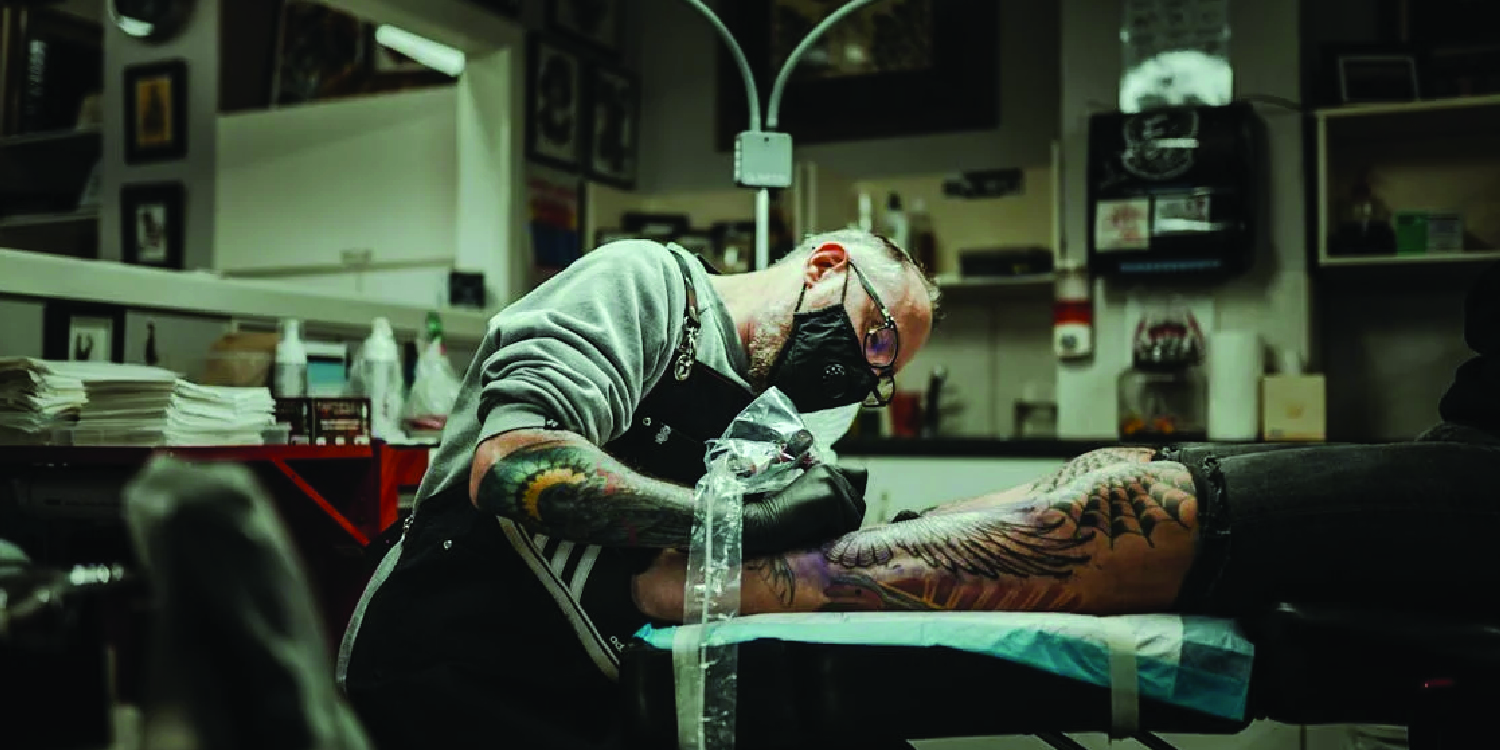
Getting a tattoo is not just a decision to follow through; it is an experience that can be memorable. The experience is a collaboration between the client and tattoo artists. Style, hygiene, and technical skill are important when getting inked, but communication is what determines whether the tattoo experience is smooth.
Many clients bring inspo pics and want the same design on their skin, but a design that looks good on one person may not suit another. During the consultation, tattoo artists try to understand the client’s vision and the story they want to share. This requires the artists to gain a deep understanding of the client’s expectations through smooth communication.
When there is clarity in communication, artists can meet the expectations of the clients, avoiding confusion about the design and the outcome. This blog focuses on the reasons why communication matters so much when working with tattoo artists. It is the difference between simply getting a tattoo and having a great experience.
Communication Is What Turns a Tattoo Idea Into a Shared Vision
Clients approach tattoo artists for a tattoo that stems from an emotion, memory, or philosophy. They might have a vague idea of the visual and a clear idea of what it means. It is up to the tattoo artist to understand the client’s vision and interpret it into tangible art.
For the client, the tattoo can be emotional, symbolic, or aesthetic, and tattoo artists make it technical. Even if a client has a generic tattoo in mind, tattoo artists customise it and make it unique for each client. To interpret the client’s vision, tattoo artists engage in conversation with the client. It is only through communication that tattoo artists can understand the ‘why’ behind the tattoo. Once the tattoo artists understand what the tattoo means to the client, they are in a better position to match the client’s expectations.
Clients may have certain styles in mind for the tattoo. They might use words like minimal, bold, or delicate, but this could mean different things to different people. Tattoo artists need to understand exactly what it means to the client and interpret it accordingly.
Good Communication Helps Tattoo Artists Understand the Person Behind the Tattoo
Tattoos are personal stories. Some people get tattoos for deeply emotional reasons, and some do it for aesthetic reasons. Understanding emotions is important for a tattoo artist; it can be playful, spiritual, tied to life-changing experiences, or connected to personal milestones. Interpreting the emotional tone accurately can be empowering for the client.
This is why communication between tattoo artists and the client is very important. Artists need to understand the personality of the client. This can enhance their creative decisions while designing the tattoo. They have a clearer understanding of what the tattoo represents. They are in a better position to suggest fitting elements and placements. A tattoo falls flat when it is just a technical design; it comes alive when the design is shaped by the emotions and personality of the client. This can only happen with good communication.
Clear Communication Prevents the “That’s Not What I Meant” Problem
Clarity in communication is important during the consultation. A tattoo that is bad or that does not meet the client’s expectations may actually be the result of unclear communication. Clients can have a vague idea of a tattoo and expect the tattoo artists to somehow know what they really want. A simple phrase like “I want something bold” can be interpreted in many ways. Clear communication helps tattoo artists understand what “bold” means to that client.
Tattoo artists need to meet the expectations of not just the design of the tattoo, but also align with technical details such as line thickness, shading, and colours. Even small miscommunications can lead to “That’s not what I meant” problems. Tattoo artists realise that understanding dislikes is just as important as discussing likes. It is easier to have a clear understanding through communication earlier in the design process, rather than correcting it later.
Communication Helps You Choose the Right Tattoo Artist in the First Place
It is important to build a comfort level with the artist before the appointment even begins. During the first consultation, clients can get a feel for the artist and decide if they are the right fit for them. The communication style of the artist should align with the client and put them at ease. It helps to build trust and confidence when both parties are at ease with each other. Communication is more open and free-flowing.
Clients can ask questions to understand the artist’s process. Some tattoo artists are more collaborative than others. Tone and clarity are important in early interactions. Simply going by an artist’s portfolio may not be enough. For a good tattoo experience, the collaboration between the client and the artist should work well. Strong communication can enhance the experience.
Honest Communication Makes Consultations Far More Useful
Getting a tattoo can be unnerving for some clients who have low pain tolerance. During consultations, clients can address their concerns and ask questions to be more prepared. Honest communication with tattoo artists can give clients clarity about any other confusion or apprehensions they have about the tattoo process.
Tattoo artists communicate openly to ascertain the placement and scale of the tattoo. When clients request a tattoo design, artists can honestly communicate the design’s feasibility. Asking honest questions can avoid problems later.
Open and honest communication works in favour of the client and the tattoo artist. Clients can also express their expectations, and tattoo artists can set realistic expectations.
Talking About Placement Properly Can Change the Entire Outcome
Placement of the tattoo is just as important as the design of the tattoo. Clients often choose the placement based on aesthetics and visibility. But tattoo artists know that the right placement depends on muscle shape, movement, and body flow. Good communication helps artists understand the client’s lifestyle, which is a factor in deciding the placement.
Even when the client wants the tattoo in a particular area, tattoo artists suggest better placement options so that the tattoo sits better. Different placements can make the same design feel softer, bolder, or more dramatic.
Communication Around Size and Detail Prevents Unrealistic Expectations
Sometimes clients can request highly detailed designs that cannot be accommodated within the size they envision. Clear communication about the feasibility of these expectations will avoid dissatisfaction. Experienced tattoo artists can recommend whether a design would work better scaled up or down. Scale can affect healing and long-term appearance.
Clear communication around design limits ensures the quality of the tattoo.
Communication Also Matters After the Tattoo Is Finished
The long-term appearance of the tattoo depends on healing and aftercare. Tattoo artists clearly communicate aftercare instructions. It is one of the most important conversations of the entire tattoo process. Not all the information found on the internet is accurate.
Clients may feel hesitant to ask questions after the appointment, but good tattoo artists keep the channels of communication open even after the process. It helps reassure the client about concerns like redness, itching, and peeling.
Final Ink
Communication shapes not just the tattoo but the entire experience. Clients at Colibri Tattoo and Piercing cherish the tattooing experience just as much as the tattoo. Our tattoo artists put all clients at ease through effective communication. They communicate to understand the clients and their needs. This helps us deliver the best results.
Book a consultation and find out how excellent communication with our skilled tattoo artists makes the experience truly memorable.