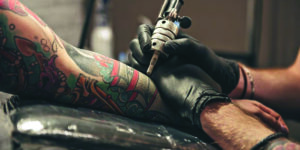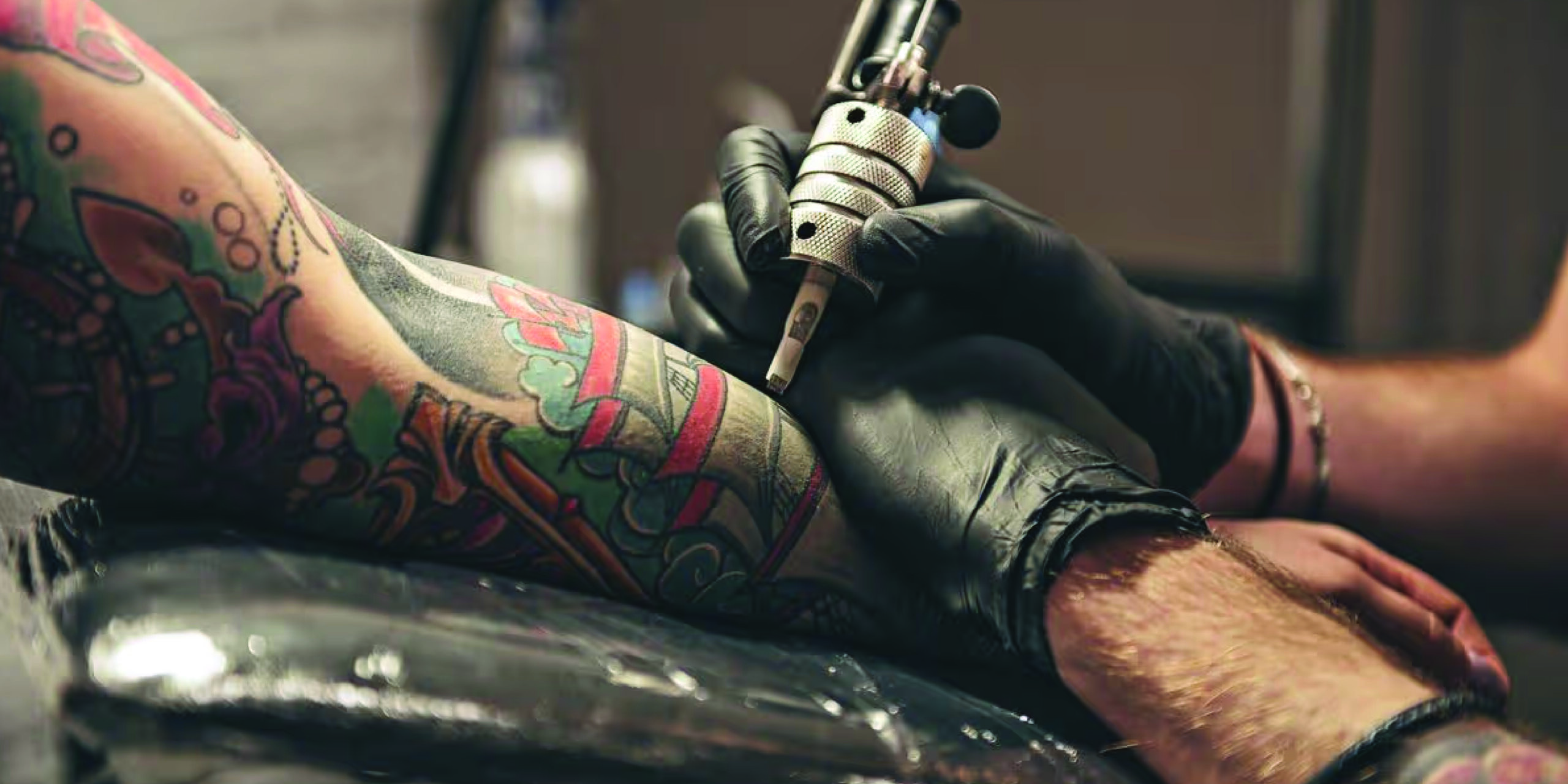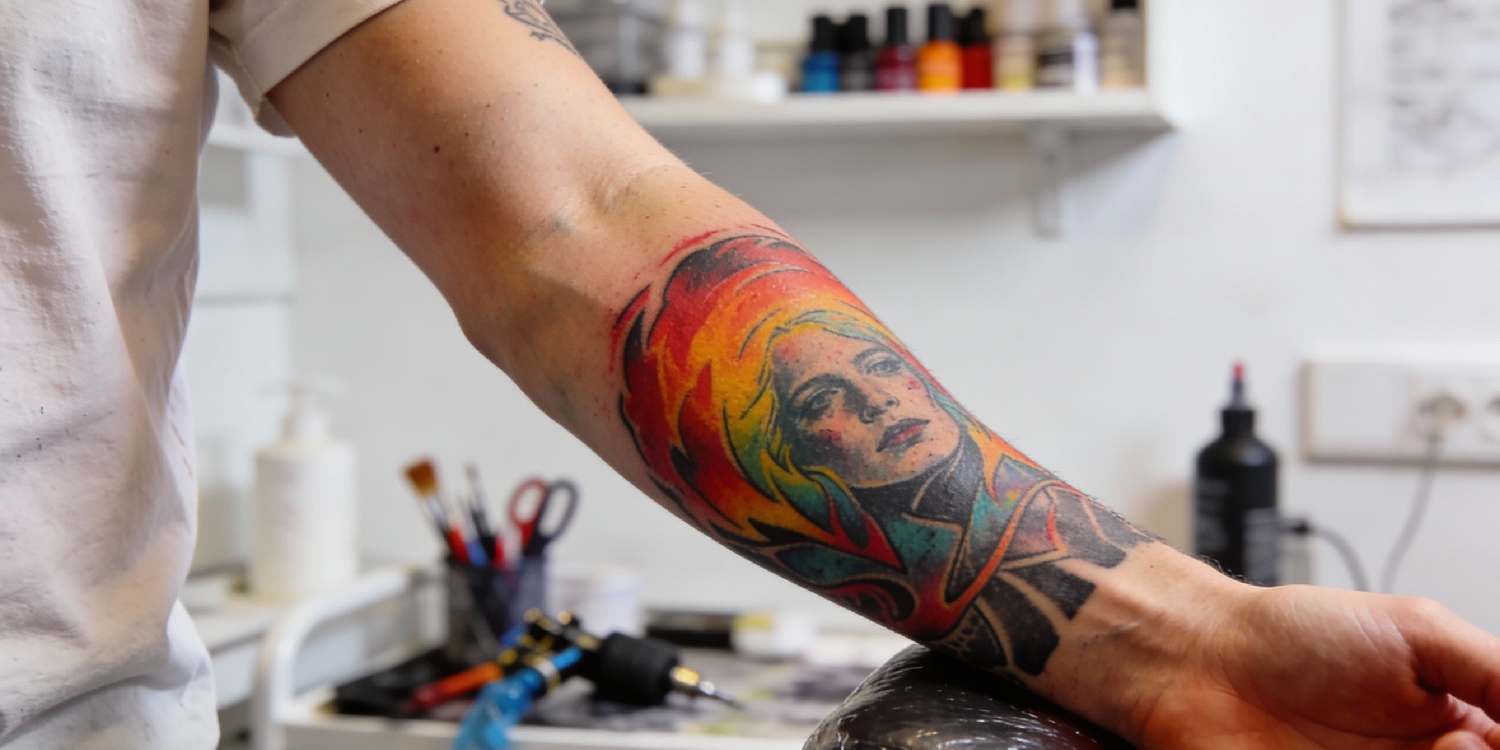
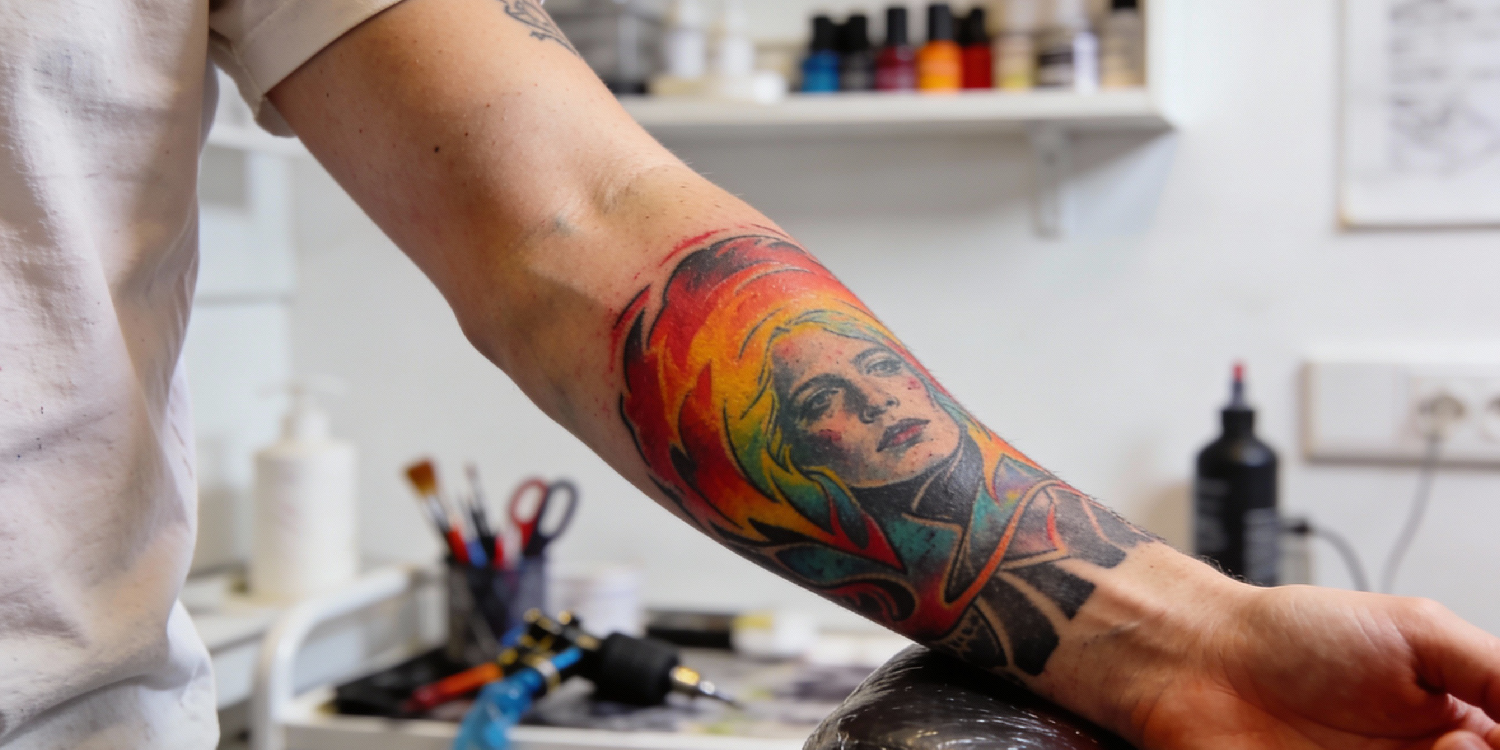
Tattoo shops are places of creativity. Artists design a tattoo but say things like, “Skin’s got a mind of its own, eh”. A texture tattoo can look good on the iPad, but it may not translate as well on skin. The skin is the canvas for a tattoo, and it is not a smooth, static canvas. The skin is elastic and changes with age. It has pores and scars. It can stretch, and all these factors can affect the outcome.
Tattoo artists know that when the needle hits the skin, a tattoo on paper may have to be finetuned to suit the skin. They will have to work around the skin. The skin on different parts of the body is different. The skin in certain areas is more prone to stretching. It can be challenging for artists. And when you add texture to the mix, it is even more so.
Experienced tattoo shops design with the skin instead of fighting it. This blog explains how tattoo shops make skin look like cold metal, soft fabric, drifting smoke, and heavy stone.
Skin is not Paper (And Tattoo Artists Will Die on This Hill)
Every tattoo artist knows this: skin has opinions. Even if the tattoo is inked beautifully, a tattoo is only as good as it heals. The outcome also depends on whether you decide to follow the aftercare instructions and decide sunscreen is optional (it’s not!). Tattoo shops design texture tattoos with an eye on how the skin moves, ages, and settles.
An arm isn’t a flat canvas. As one artist might put it: “Your forearm’s not a prairie- it’s got hills, valleys, and surprise weather.”
Tattoo shops adjust designs constantly. Shadows get softened or strengthened depending on skin elasticity. Fine textures are simplified to avoid blurring over time. A lot of thought is put into proper placement so that the artist can work with the muscle movement and not against it.
Texture Is Really Just Light Lying to Your Brain
Want to know a trade secret? Texture is created with the play of light. Metal doesn’t look like metal because it’s shiny. Fabric doesn’t look smooth because it’s smooth. And smoke doesn’t look like smoke because it’s wispy. All these texture effects look real because of how light and shadow interact.
Tattoo artists pin an imaginary light source before starting on a texture tattoo. Once the source of light is established, everything flows from there. Artists highlight areas of the tattoo to suggest reflection. Mid-tones are used to create surface transitions. Shadows are skilfully used depict depth. Getting the shadows is key to the tattoo. If the shadows are wrong, the tattoo can look flat or confusing.
Making Metal Look Cold, Heavy, and Slightly Mean
Metal tattoos are all about contrast. Tattoo shops rely on certain key design elements to impart a metallic finish to a tattoo. They use hard highlights that pop and mimic a metallic sheen. Instead of smooth transitions, they use abrupt shadow drops for the sleek look. They pair sharp edges with deep blacks.
Chrome, steel, and rusted iron need different treatments. Chrome needs near-white highlights and bold contrasts. Steel texture is created by using restraint with low-key wear marks. Rust needs uneven shading, pitted surfaces, and intentional distortion. Artists at tattoo shops often add tiny scratches, dents, or uneven edges for a realistic metal finish. If it looks too smooth, it can look plastic.
Fabric Tattoos: Making Ink Feel Soft Without Being Soft
Tattoo shops approach fabric tattoos differently because they can be tricky. The smoothness of the fabric can be created with the flow of the tattoo. Every fold of the fabric has to have its own shadow. Straight lines are avoided to keep the flow of the fabric. Shadows of fabric tattoos follow gravity and not symmetry.
Even with fabric tattoos, different fabrics require different treatments. Silk requires gentle gradients and long transitions. Denim needs heavier shading and texture. Leather, on the other hand, needs depth to depict weight, which is achieved by darker tones near folds.
Tattoo shops know that too much detail can ruin fabric. So, they add only essential details for the feel of the fabric.
Smoke Tattoos: Controlled Chaos (Yes, That’s Real)
Smoke tattoos are one of the most challenging works for tattoo artists. Imagine creating something that has no outline, true edges, or fixed shape!
Tattoo shops create this magic with soft fades and blurred transitions. They use negative space strategically. Smoke tattoos are designed to disappear in places to create the illusion of transparency and movement.
Artists are careful when working on smoke tattoos. Overwork it, and it becomes grey blobs. Artists like to say,” You don’t tattoo smoke. You suggest it.”
Most smoke tattoos look incomplete up close, but come alive when you take a few steps back.
Stone &Rock: Making Tattoos Feel Heavy Without Crushing the Design
Stone tattoos need weight. Tattoo shops achieve this by avoiding smooth gradients and using broken shading patterns. Greys are layered instead of blended. Cracks, chips, and erosion marks are essential to make it look real. No stone is too perfect, and if it looks too perfect, it can end up looking fake.
Marble texture needs veining. Concrete requires roughness. Natural rock needs inconsistency. Stone texture needs restraint and detail.
Artist’s rule of thumb: “Stone should look old. If it looks new, it’s a countertop.”
Needle Choice: Small Tools, Massive Difference
Ask a tattoo artist about needles, and you’ll probably get a lecture. Needle types matter a lot when texturing and getting into details. Single needles are used for micro-detail and soft textures. Mag shaders are used for smooth gradients and layering. Larger groupings for rough, organic surfaces.
Artists may use different needles in a session for different parts of the tattoo. Each detail may require specific needles.
Tattoo shops test techniques by practising on fake skin and understanding exactly when to switch needles.
Ink Dilution: Why Black Ink Isn’t Always Black
Most texture tattoos aren’t actually black. They are grey and greyer. Tattoo shops dilute black ink in different ratios. It is done for smooth transitions, depth and layered shadows. Artists build texture slowly. They layer lighter tones first and deepen the shadows over time.
Healing, Ageing, and Why Texture Tattoos Need Respect
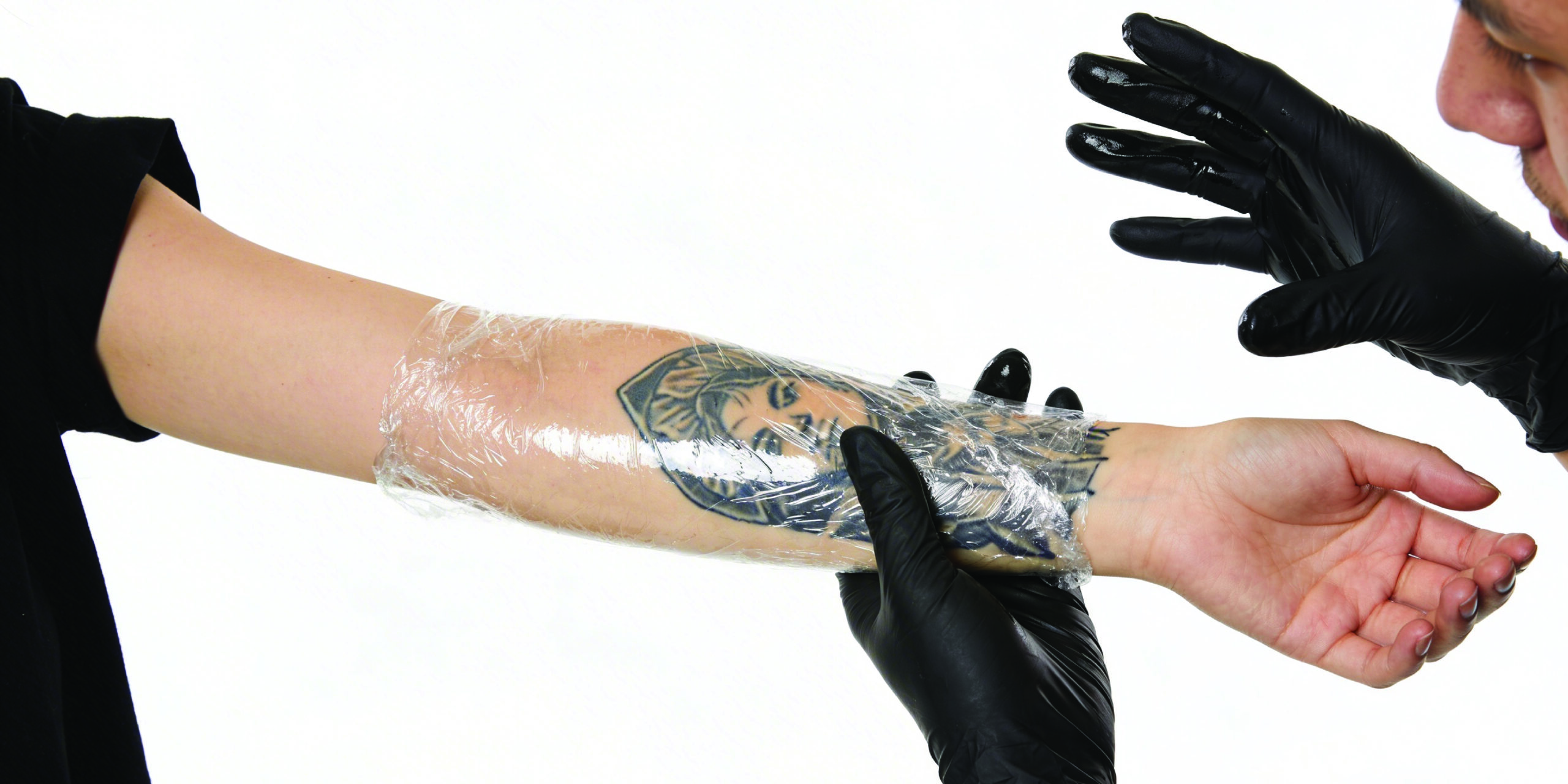
Texture tattoos settle over time. During healing, shadows soften and contrast balances out. The depth becomes more natural. Aftercare plays an important role in the vibrancy of the tattoo. Dry skin flattens the texture, and sun exposure kills the contrast. Sunscreen and moisturiser are your best friends to keep your tattoo looking its best.
Final Ink
Tattoo shops can copy a design easily. But texture? That’s something only experienced, skilled tattoo artists can create. Texture tattoos require technical control and artistic restraint. They need to have a real understanding of the skin to work with it. Artists at Colibri Tattoo & Piercing have years of experience creating texture tattoos.
If you are looking for a place to get a truly unique tattoo design that doesn’t just sit on your skin but comes alive on it, book a consultation and visit us today.