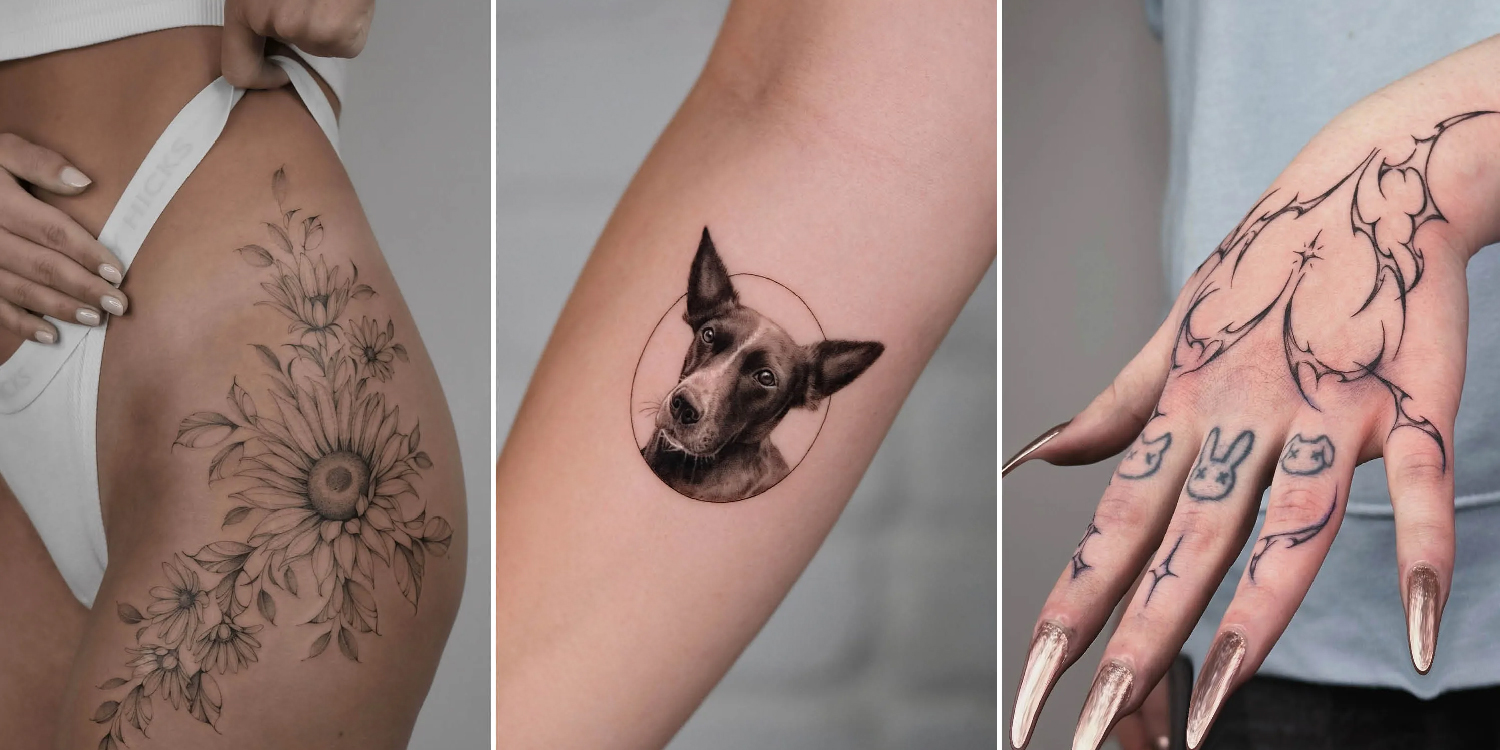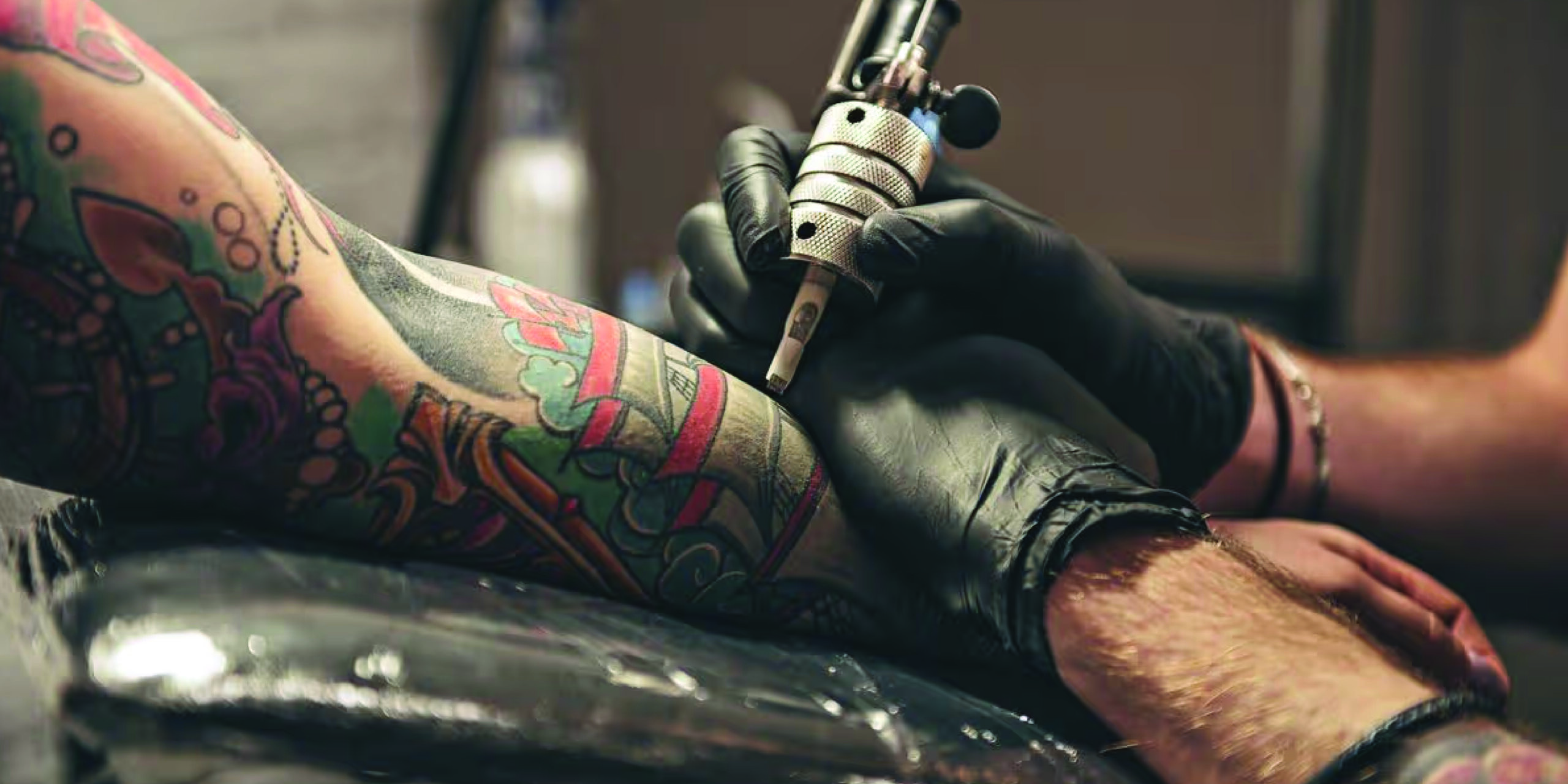
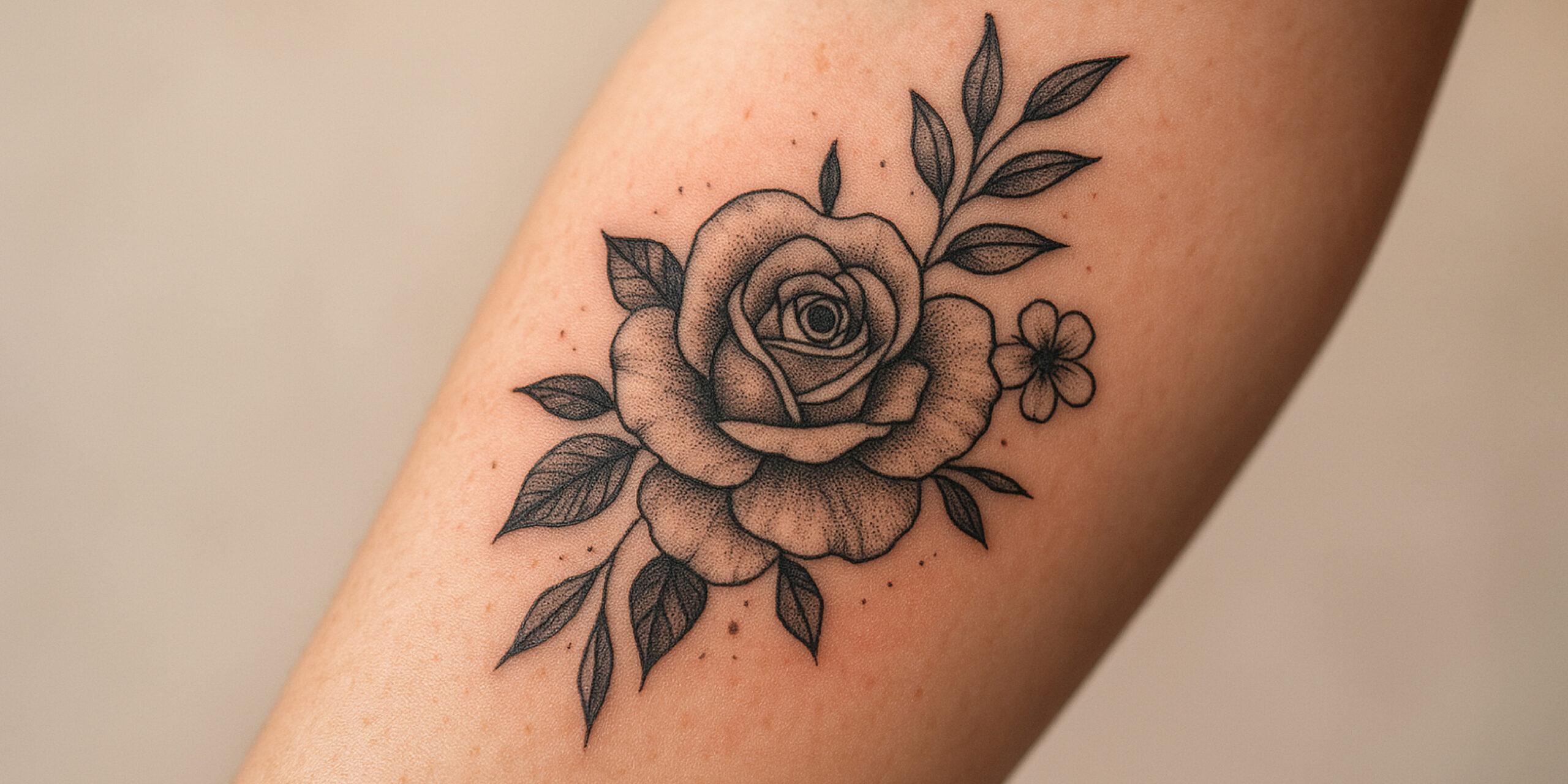
Good tattoo shops can create a good design on your skin. Fresh ink looks vibrant and crisp. However, the final appearance of the tattoo is largely determined by how well it heals. Good tattoo shops see healing as the last stage of the tattoo process.
Good tattoo shops know that lasting beauty comes from the perfect blend of artistry and biology. This ensures that the design stays as vibrant as the day it was inked. Experienced tattoo artists have a good understanding of the science behind tattoos and the healing process. The difference between an average tattoo and a well-healed tattoo is proper aftercare.
Good tattoo shops educate clients about proper aftercare so that the shine of the tattoo does not dim.
What Happens Beneath the Skin: The Science of Tattoo Ink and Your Body
The skin consists of three layers: the epidermis, dermis, and hypodermis. The epidermis is the outermost layer, the dermis is the middle layer, and the subcutaneous layer is the innermost. A tattoo needle must penetrate the epidermis to deposit ink into the dermis. The epidermis is constantly shedding and regenerating, so ink cannot be placed there. Ink placed in the hypodermis layer will be blown out and may not give the best results.
The middle layer, or the dermis, is thicker and has blood vessels and nerves. That’s why tattooing hurts and bleeds. When the needle causes injury to the skin, the immune system activates the macrophages to clean up the foreign particles (such as ink). The macrophages engulf the ink particles, making them too large to remove. They get trapped in the collagen fibres, leaving the ink in place. Over time, the pigment migrates deeper into the dermis, causing the tattoo’s detail to fade slowly.
Role of Pigment Size and Skin Tone
The size of the pigment plays a big role in how colours heal over time. Large pigment particles, such as those in white and metallic inks, sit closer to the surface of the skin. They can easily be broken down by UV light. Smaller particles found in black or dark inks settle deeper and are more stable. This is the reason black tattoos age better.
Skin tone also affects how the colours look once healed. Bright colours, such as red, yellow, and turquoise, look vivid on lighter skin tones. Colours may appear more muted on warmer skin tones due to the melanin layer that affects the pigment. Artists at good tattoo shops understand that ink and shading techniques need to be adjusted according to the skin tone and complexion of each client so that the tattoo pops on the skin.
How Different Inks Interact with Your Body Chemistry
Tattoo ink can have organic and inorganic pigments. Organic pigments are made from carbon-based compounds (like azo dyes or quinacridones). They are the secret behind vibrant colours such as bright reds, yellows, and blues. However, the small particle size of this ink makes it more reactive, causing allergies and sensitivities in certain skin types.
Inorganic compounds are usually mineral-based (like iron oxide, titanium dioxide, or chromium). They are credited for more earthy tones such as blacks, browns, and muted shades. They are more stable and do not cause allergies.
When macrophages engulf ink particles, they enlarge in size and become trapped in the dermis, giving tattoos their permanence. In time, a fraction of pigment is carried away by the lymphatic system, leading to gradual fading. This is one of the reasons why colour vibrancy varies between people and inks.
The Four Stages of Tattoo Healing
After a tattoo is inked on your skin, your skin tries to heal the wound in four phases. After it goes through several biological stages, and gradually settles into a healed design. Understanding what happens at each stage helps you care for your tattoo properly.
Phase 1: Inflammation
A fresh tattoo is technically an open wound. It is essentially thousands of skin punctures made by inserting needles into the epidermis. The first action of the immune system is to summon white cells to the site to protect against infection. The area becomes warm, red, and slightly swollen. This is the body’s natural way to start repair. Macrophages prey on stray pigment particles and bacteria. A thin layer of plasma (clear fluid) forms over the tattoo. This is the body forming a protective barrier over the wound. Some ink and blood may be shed in the first 24 hours. This is normal.
Clean the tattooed area with mild antibacterial soap and lukewarm water. Only pat dry afterwards and then use a mild ointment as recommended. Do not rewrap the tattoo as oxygen promotes healing. The tattoo may look darker or slightly “distorted”- it will settle.
Do not scratch or pick at the skin at this stage. Avoid prolonged soaking of the tattoo. Protect from direct sunlight and avoid tight clothing.
Phase 2: Peeling and Itching
The skin repairs itself by producing new tissue and collagen. The top layer starts to peel away. You will see scabbing and flaking on the site of the tattoo. The skin feels itchy as nerves regenerate and dry skin tightens. The skin sheds damaged cells while sealing in the pigment below.
Moisturise several times during the day at this stage. Wash your hands before touching the tattoo. If the itchiness gets too much, tap the area gently to avoid scratching.
Do not peel the skin, as it can cause uneven healing by pulling out ink. Avoid swimming and saunas for 10 days. Avoid heavy workouts that cause sweating and friction in this stage.
Phase 3: Dull and Cloudy Phase
In this phase, the swelling subsides and new collagen forms to smooth the surface. The epidermis has mostly healed, but the dermis is still repairing. A thin, translucent layer of skin forms over the tattoo, making it look cloudy or dull.
Gentle cleaning and constant moisturising are needed at this stage. The tattoo needs to be protected from direct sunlight.
Phase 4: Settling and Strengthening
The skin has almost healed at this stage. Collagen fibres realign and strengthen, sealing the ink permanently into place. The colours pop on the skin, and the tattoo feels smooth and natural to touch.
Moisturiser and sunscreen are mandatory. Check in at good tattoo shops to ensure proper healing.
Tattoos age just as skin does. UV exposure, dehydration, and neglect can affect the tattoo. So be vigilant and protect your tattoo just as you would your skin.
What Good Tattoo Shops Recommend
Good tattoo shops will emphasise proper aftercare and give you clear instructions. Follow them to a T. The number one rule is sun protection. Always use a broad-spectrum SPF 30 or higher in sunlight. Moisturise daily and don’t slack on hydration.
If the tattoo loses its sharpness, visit a good tattoo shop for touch-ups. Weight fluctuations can stretch or distort tattoos. Smoking, dehydration, and poor diet can accelerate skin aging and dull tattoos.
Good tattoo shops don’t just design art; they also educate clients on how to preserve their art.
Tattoo artists at Colibri Tattoo & Piercing understand the science of healing and will educate you on how to guard your tattoo so that your art is forever.