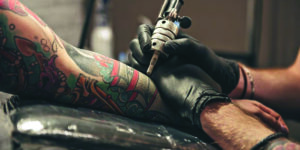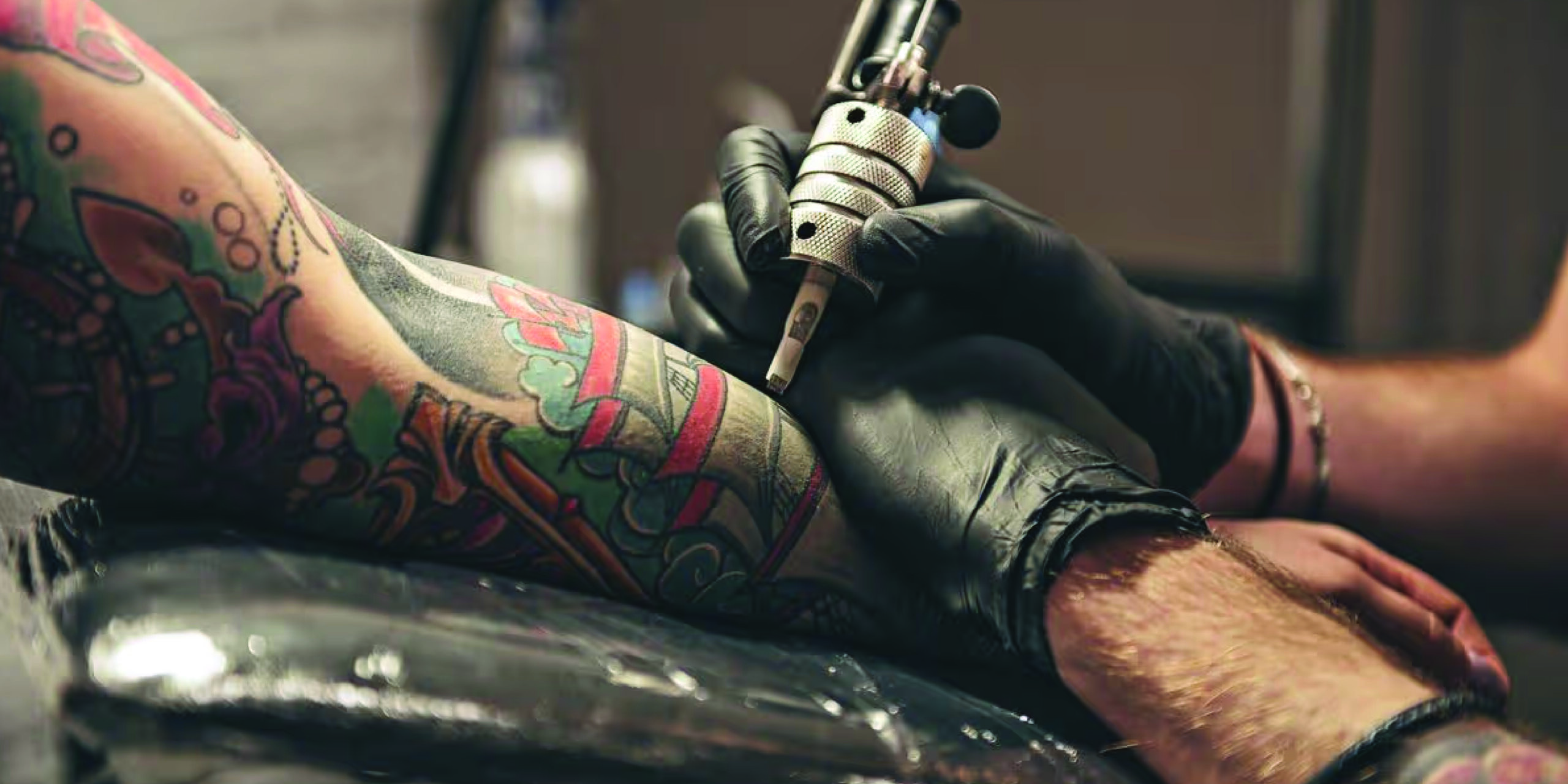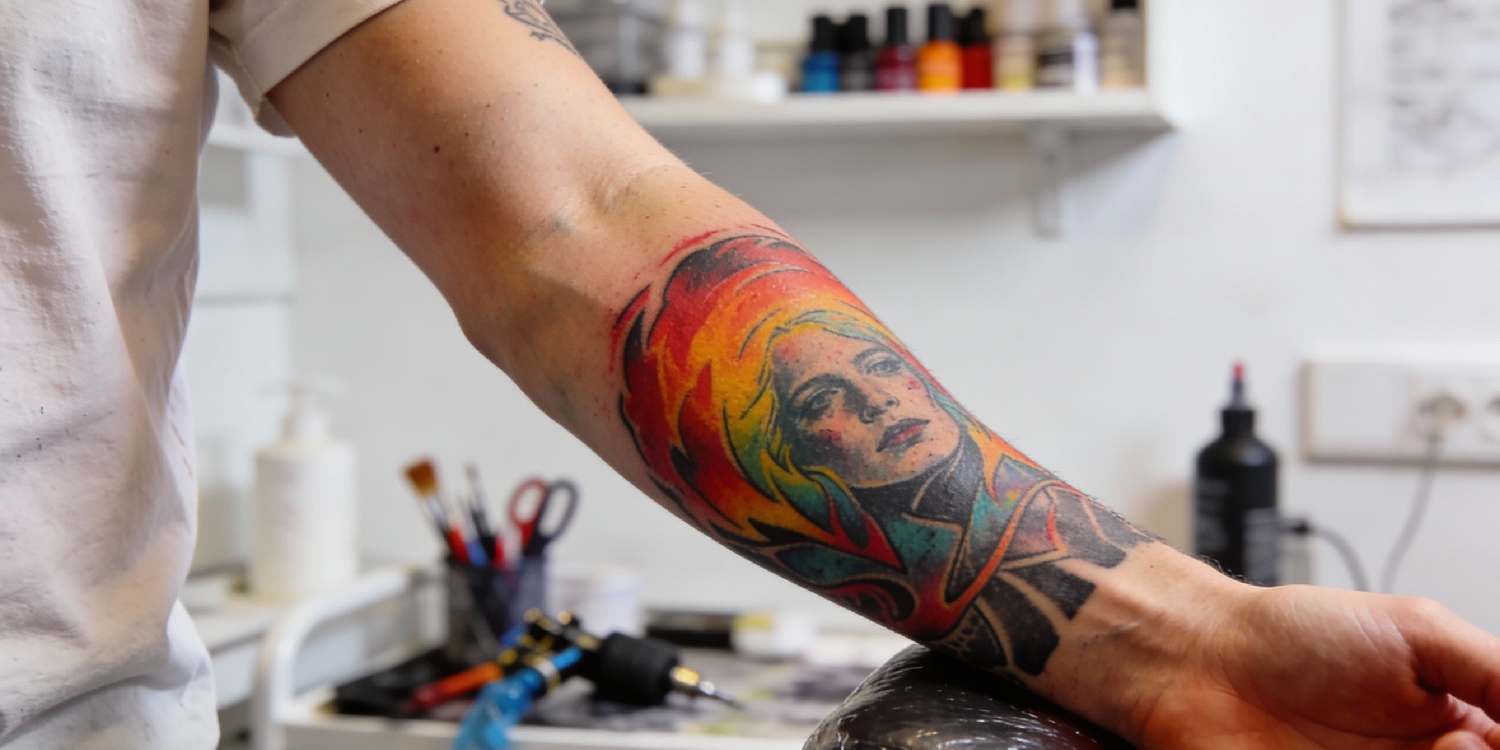
Tattoo parlours are spaces of creativity and art. Committing to a tattoo is a bold decision. Tattoos are stories, beliefs, or philosophies inked on the skin. They are windows to your inner self. Some people get a tattoo to make a statement or declaration. Some treat skin as a canvas and build their stories over the years.
Tattoo parlours used to be dark, dingy places when tattoos were symbols of rebellion and revolt. Today, the taboo has lifted. Tattoos are widely accepted. It is almost a coming-of-age thing for youngsters. Deciding to get a tattoo may be a long thought-out decision or an impulsive one. Whatever it is, it is only half the journey. The vibrancy of the tattoo on your skin depends on how it heals.
For proper healing, aftercare is important. This blog addresses the mistakes people make that hamper proper healing and how tattoo parlours help you avoid them.
Ignoring Aftercare Instructions Given by Tattoo Parlours
In the excitement of getting a tattoo, most people don’t listen to the aftercare instructions at tattoo parlours. They forget the instructions as soon as the adrenaline rush wears off. Tattoo parlours give you clear instructions after the process. Following the instructions will ensure proper healing of the tattoo. Remember, a tattoo is essentially a wound on the body. The body tries to heal the wound in its natural way, and aftercare instructions are focused on supporting the healing process.
Some people rely on advice from friends with tattoos or information on the internet. Tattoo artists are experienced professionals, and it is advisable to follow their advice.
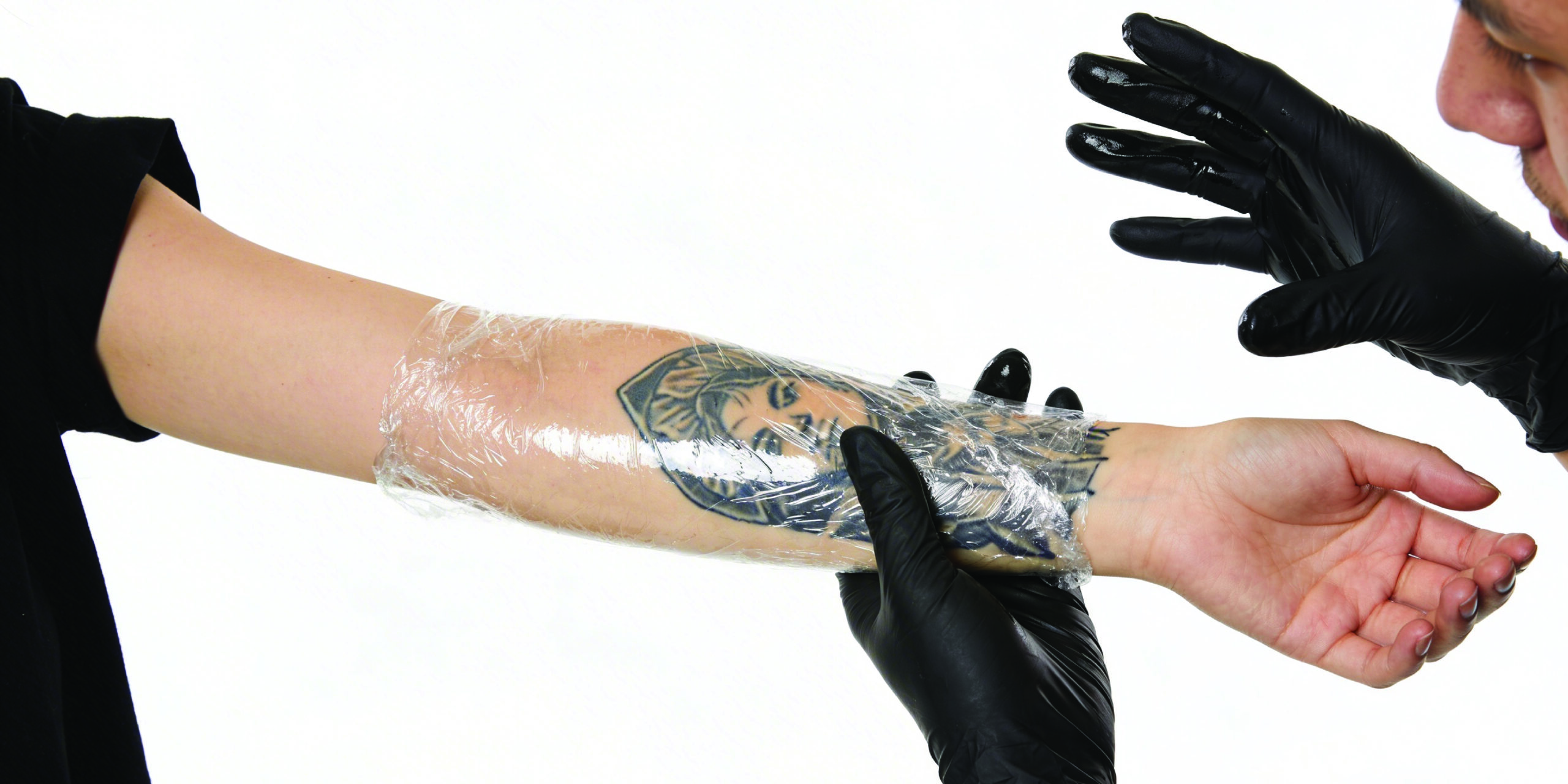
Indeed, tattoos do not require much maintenance, but skipping the recommended cleaning schedules can delay healing. The tattoo artists apply a protective wrap on the tattoo after the procedure. In the excitement of getting a new tattoo, people remove the wrap too early and expose the skin to bacteria and probably infection.
Tattoo parlours clearly instruct clients against sleeping on the tattoo. Ignoring the warning can irritate the skin. Sometimes, friends have their own views on aftercare, and we tend to listen to their advice and ignore the aftercare instructions given by tattoo parlours.
Getting clarity after the procedure at tattoo parlours is important to avoid confusion later. Tattoo parlours give printed aftercare instructions. They are simple and need no improvisation.
Over-Washing or Under-Washing the Tattoo
Your tattoo isn’t a frying pan— don’t scrub it.
The tattoo has to be washed, but not too often. Frequent washing can dry the skin and not allow the tissue to heal. On the other hand, not washing enough allows bacteria to build up. Hot water irritates the wound and delays healing. Strong soaps are to be avoided as it strips the protective layers.
As the body heals from the tattoo wound, it tries to push ink deposits out. Hard scrubbing will dislodge the ink and damage the tattoo. Sweat and dirt on the skin will delay healing, so gentle cleaning is required. Loofahs and sponges on fresh tattoos can cause trauma to the tattoo wound.
Rushing through the cleaning process leaves residue behind.
Using the Wrong Moisturisers and Products
Scented lotions are great, just not on tattoos. Heavy creams have to be avoided as they can clog pores and trap bacteria. Petroleum-based products form a layer on the skin and suffocate healing skin.
Over-moisturising causes fading of the tattoo ink. Always use the products that tattoo parlours recommend. Homemade remedies can worsen healing. Applying thick layers of cream prevents the skin from breathing. Use the recommended products consistently and do not switch products frequently. Switching products can unnecessarily confuse the healing skin.
Picking, Scratching, Or Peeling Scabs
A healing tattoo is an itchy bother. It will itch, but you can’t scratch. Picking a healing tattoo removes ink along with the scabs. The healing skin has to be kept clean and undisturbed. Scratching opens the healing wounds.
The scabs carry ink particles, and dislodging them can make the tattoo patchy. Fingernails carry bacteria, and scratching introduces those bacteria into the skin. Repeated irritation causes scar formation.
Avoid touching the tattoo with dirty hands. Touching the tattoo frequently with dirty hands increases the risk of infection. Scratching the tattoo during sleep inadvertently damages the skin.
The skin will be flaky, but peeling the flakes causes colour fading.
Sun Exposure and Swimming Too Soon
You might be ready for a beach vacation, but your tattoo isn’t.
UV rays fade fresh ink. Chlorine in swimming pools can irritate the healing skin. Bacteria are rampant in ocean water, and swimming in it exposes tattoos to them.
You might be tempted to tan your skin, but tanning beds cause skin dryness and irritation. Sunscreen cannot be used immediately on fresh tattoos. Beach days can be sweaty, and sweat delays healing.
Sand on the beach can cause abrasion of the tattoo wound and exacerbate the wound. Exposure to heat can increase inflammation.
Wearing Tight or Irritating Clothing
You may like tight-fitting clothes, but your fresh tattoo won’t.
Imagine wearing skinny jeans on a fresh thigh tattoo. The constant rubbing of the skin will delay healing. Friction will dislodge the scabs and fade the ink. The skin needs to breathe, so avoid synthetic materials. Clothing sticks to healing wounds, so wear loose-fitting clothes.
Waistbands irritate the stomach or the hip tattoos. Tight bras or strappy tops rub against shoulder tattoos. Tight socks on ankle tattoos should be avoided. The clothing fabric should be light and soft. Rough fabrics cause redness and inflammation.
Lifestyle Habits That Slow Healing
Proper healing happens in a healthy body. Alcohol consumption dehydrates the skin, so it is best to avoid it for healing. Lack of hydration delays skin regeneration.
Proper blood circulation improves healing. Smoking reduces blood circulation and can hamper healing.
Proper sleep and a good diet are essential for healing. The skin needs to rest, so heavy workouts that involve stretching are best avoided. Heavy sweaty sessions in the gym expose tattoos to bacteria.
Try to avoid stress and maintain a clean, healthy lifestyle.
Ignoring Warning Signs of Infection
What are the warning signs one should look out for? Persistent redness is a red flag to watch out for. Yellow or green discharge from the wound requires immediate attention.
If the swelling is persistent and excessive even after a couple of days, it needs attention. Fever after tattooing is not a good sign and needs prompt action. Severe pain or bad odour indicates infection and needs professional consultation.
Any allergic reactions must be addressed without delay. Delaying action if you notice any of these symptoms can worsen the damage. Proper healing is necessary for the longevity and vibrancy of the tattoo.
Last Ink
Tattoo parlours will guide you on aftercare and maintenance of the tattoo. At Colibri Tattoo and Piercing, we encourage clients to ask questions post-session. Our tattoo artists recommend touch-up timelines. Follow-ups help ensure that the colour does not fade. It ensures that the ink settles well in the skin.
Tattoo parlours assess the healing progress and suggest product adjustments when needed. Your tattoo deserves the best care. At Colibri Tattoo and Piercing, we keep our standards high to deliver the best work.