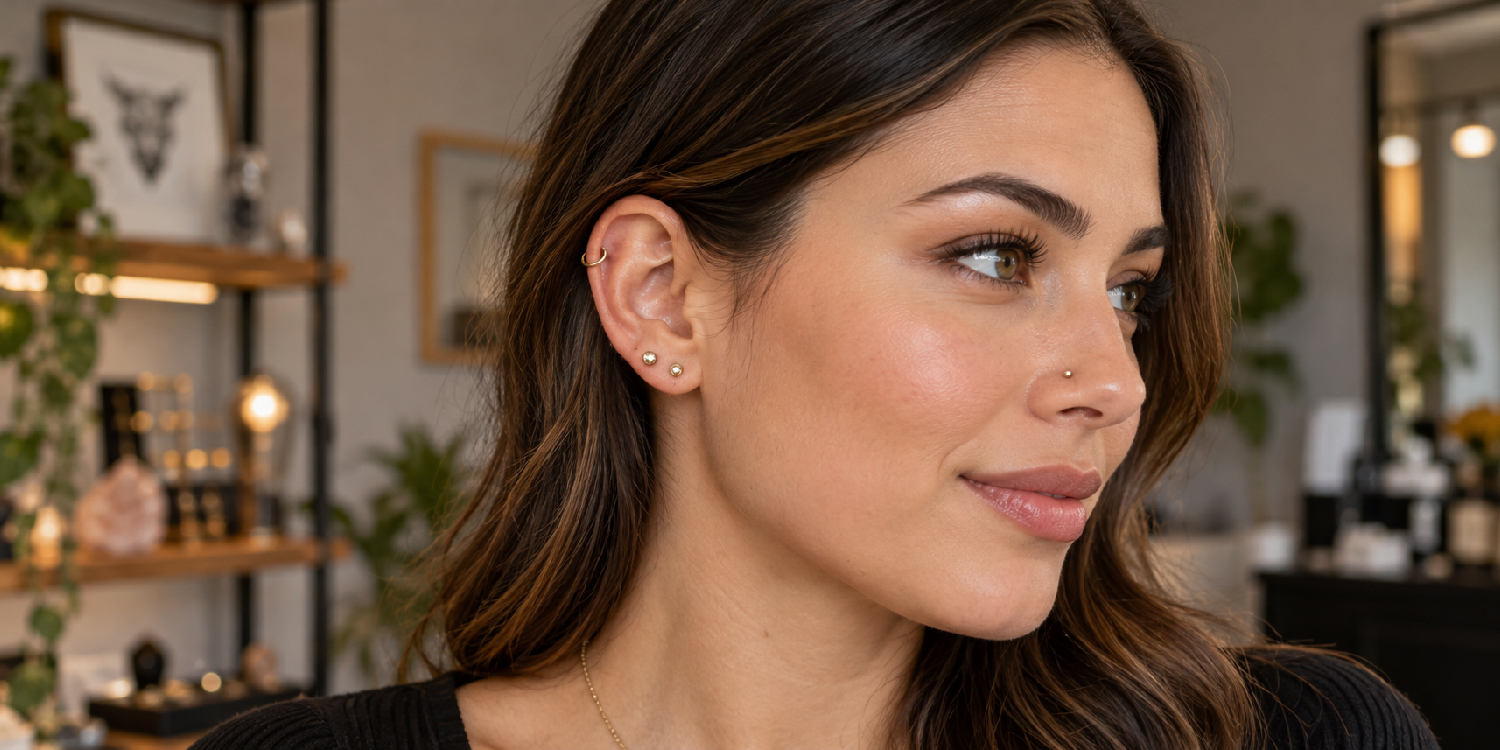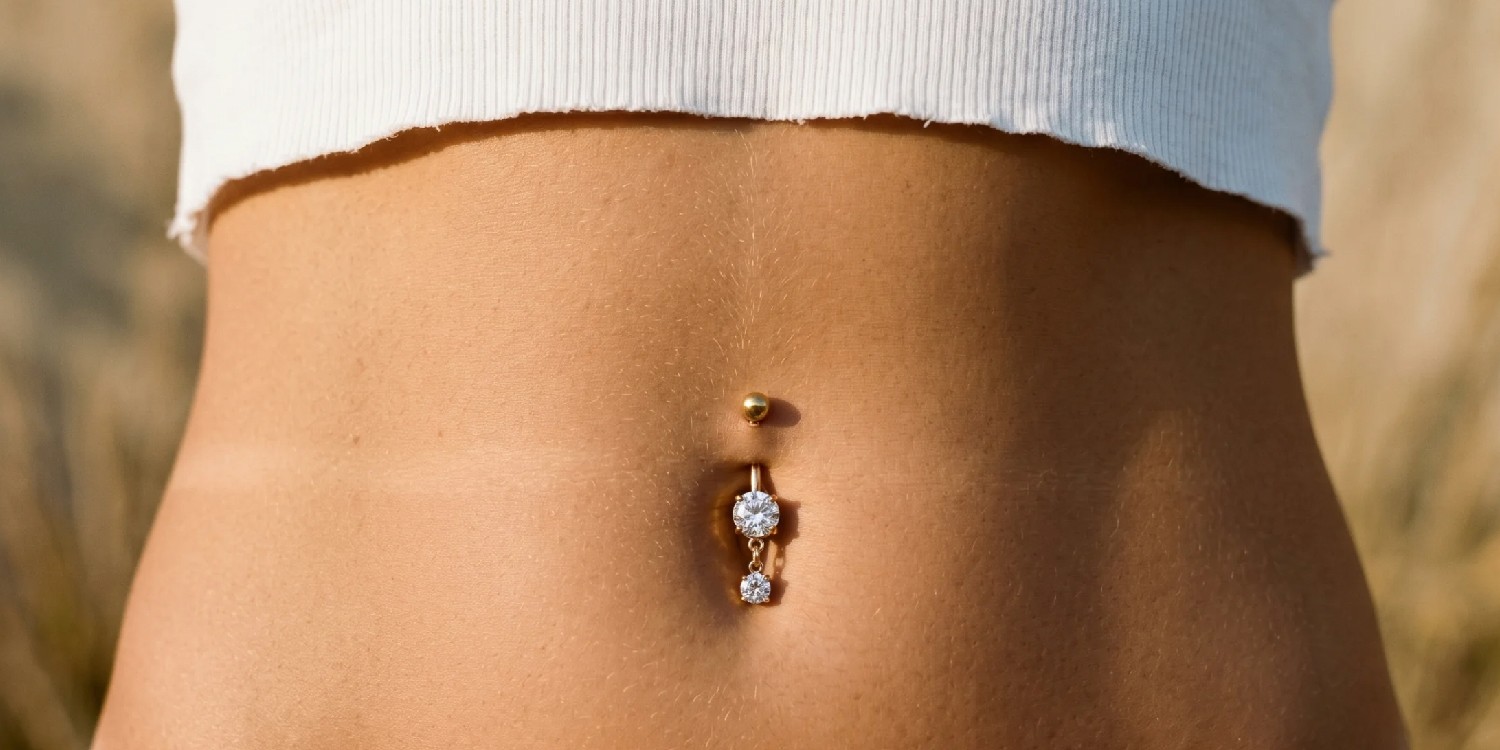
Body piercings are the new way to make personal statements. Of course, there are the traditional body piercings that are not new to the fashion world. But celebrities and influencers have spearheaded new-age body piercings. Different piercings exude different kinds of vibes.
Getting a piercing is the first step of the process. With a proper understanding of the healing process and aftercare, the piercing can look its best and be a style statement forever. A piercing is a wound on the body and needs to heal well. It has to be taken care of while healing. Piercers guide you about proper aftercare. Some clients follow aftercare recommendations on the internet only to regret it later. Professional piercing studios understand the science behind the healing process. Their recommendations are based on science.
Body piercings can enhance your style when they heal properly. This blog dives into the healing process and explains what exactly happens in the course of healing.
The Healing Process Is Much Longer Than People Expect
Most people believe healing ends when the pain disappears; your piercing will strongly disagree! Cartilage piercings can take much longer to heal. You may even mature emotionally before the cartilage piercing heals. The healing process is like a dramatic soap opera that seems to go on forever.
Even if you “feel fine”, the healing process may still be going on. Online healing timeframes are often optimistic fantasy novels. The healing process is different for people. It largely depends on sleep, stress, and diet. Even after the piercing heals, it can flare up months later. Some piercings get irritated months later just to keep you humble.
Some people become overtly anxious about keeping the piercing clean. Over-cleaning can slow healing. Healing requires patience.
The Crusties Are Completely Normal (Even If They Look Questionable)
Nobody warns you about the mysterious crust formation stage. Some clients freak out and panic when they see crusts forming and falling off. The crust colour can vary slightly without it meaning disaster.
Picking crusties can be very tempting and equally disastrous. Saline soaks are better than frantic scrubbing sessions. Sometimes, crusties get stuck on jewellery and cause discomfort. Sleeping on crusty jewellery is like your piercing chose violence overnight. Your body can produce crusties longer than expected, especially for cartilage piercings. Crusties can be unpleasant, but they are a sure sign that the body is doing its job!
Sleeping Becomes a Competitive Sport
Depending on where you get the piercing, your favourite sleeping position can suddenly become a challenge. A new piercing can have you rolling around like a rotisserie chicken all night. Accidentally sleeping on a fresh piercing can create instant regret at 3 a.m. Sometimes, hair can wrap around jewellery while sleeping.
Cartilage piercings are particularly unforgiving of any mistakes. These piercings hate pressure and can cause intense discomfort with every wrong move. You may have to build pillow forts worthy of architectural awards. Have you noticed that when you have healing body piercings, pets and toddlers suddenly develop an overt interest in them?
Your Hair, Clothes, and Towels Are Now Dangerous
Have you heard of the ninja-towel syndrome? After getting body piercings, your towel suddenly gains a ninja-like ability to snag jewellery. Loose hair also becomes emotionally attached to new piercings. Everyday clothes, like hoodies, can suddenly become difficult to navigate. The horror of wearing tight shirts and sports bras after getting piercings is real.
One of the worst pairings is ear piercings and winter sweaters. Accidental yanking while wearing an item of clothing can have you counting stars. For those with fresh ear piercings, headphones can become your new nightmare. Gym clothing causes friction that can slow the healing process. New piercings can make you wary of even innocent hugs.
Downsizing Jewellery Matters More Than People Realise
Many people assume that the original jewellery will stay in forever. Initial jewellery is often intentionally longer to accommodate the swelling and inflammation. Sometimes, when the jewellery is too long, it can cause snagging and irritation. Downsizing has to happen at the right time to improve comfort dramatically.
When the length of jewellery is too long, it can cause unnecessary movement during healing. Irritation bumps can be mistaken for infections, when in reality the real issue is the size of the jewellery. On the other hand, changing jewellery too soon can also be detrimental to healing. It is one of the surest ways to self-sabotage the healing. Cheap jewellery swaps from random online stores can restart irritation instantly.
Healing Changes Your Daily Routine in Weird Ways
After body piercings, your daily routine gets affected in many weird ways. Washing your hair can be a military operation after ear piercings. Your gym routine may need temporary adjustments. Some people have to stop wearing hats, helmets, and accessories completely.
Even skincare product choices may have to be rethought after piercings. Swimming plans may have to be suspended for a while when the piercing is fresh. Phone habits may need to change because pressure on the piercing can cause discomfort and maybe even infections.
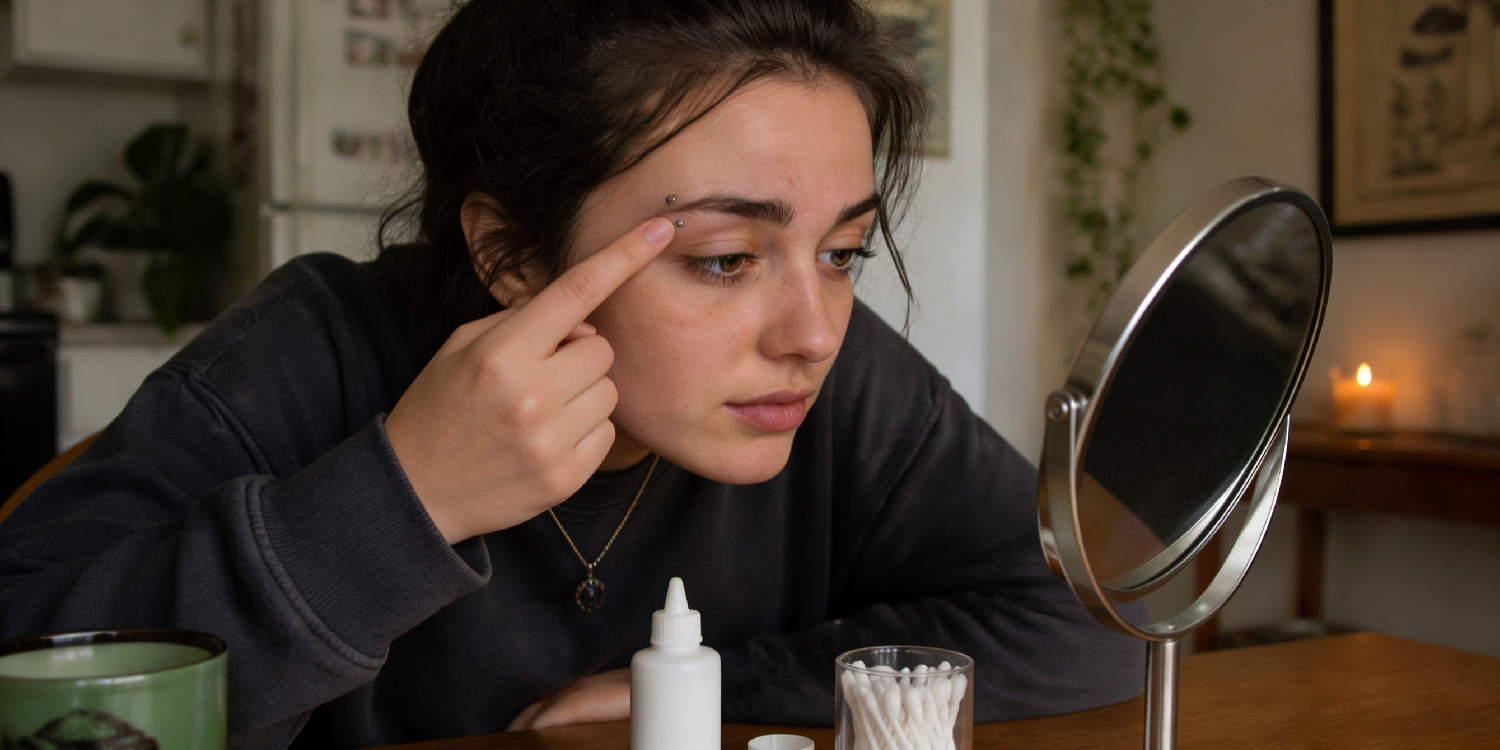
Make-up around facial piercings requires extra caution. It is tempting to fiddle with new piercings, but it can also be disastrous. Piercing care becomes part of your morning and bedtime routines. Even hugging friends needs careful manoeuvring.
Irritation Bumps Love Drama
Irritation bumps can appear out of nowhere at any time. When you see an irritation, the first reaction is often to ask Google for advice. A simple Google search can have you assuming the worst. Bumps are often caused by pressure, movement, or irritation. Most people see a bump and assume an infection right away.
Changing the jewellery randomly can cause the irritation to escalate quickly. Poor sleeping habits can trigger bumps repeatedly. Healing bumps shrink slowly, disappear suddenly, and then randomly return. Piercers spend a lot of their time reassuring panicking clients about bumps.
Everyone Suddenly Becomes a Piercing Expert
Friends and strangers with even one piercing are suddenly experts on piercing healing. Most people with body piercings have heard the toothpaste cure at some point. Internet advice ranges from helpful to deeply unhinged. Too much conflicting information on the internet can be confusing.
Your friendly neighbour may insist that alcohol cleans everything (sometimes even including your soul!). Professional piercers spend years correcting myths spread online.
Your Body’s Mood Affects Your Piercing
Stress is not conducive to healing. Poor sleep can also affect recovery more than people realise. Hydration is important for healing. Your immune system has a lot of responsibilities, and your piercing is not its top priority.
Hormonal changes can affect swelling and sensitivity. Some people notice flare-ups during stressful weeks. Healthy habits support healing.
Fully Healed Does Not Mean “Maintenance-Free”
You may think you are done once the piercing is completely healed. But piercing can become irritated out of the blue. Jewellery quality matters. Some piercings shrink surprisingly fast without jewellery. Cheap jewellery can irritate piercings unexpectedly. Fully healed piercings still need common sense.
Conclusion
Body piercings take time to heal. Patience and proper aftercare ensure that the healing process is smooth. At Colibri Tattoo & Piercing, our piercers guide clients on proper aftercare and remain available even after the appointment to answer questions.
A piercing can change your daily routine, skincare, and sleeping position temporarily. Even when the piercing is fully healed, it needs care. Take good care of your piercing and enjoy a stylish statement on your body forever!