
Mention the words “tattoo shops”, and the common word most people associate with it is pain. Tattoo pain is probably one of the main reasons many people don’t get a tattoo. Even before getting to tattoo shops, we build a fear of the pain. The fear of pain vs the actual pain is quite different.
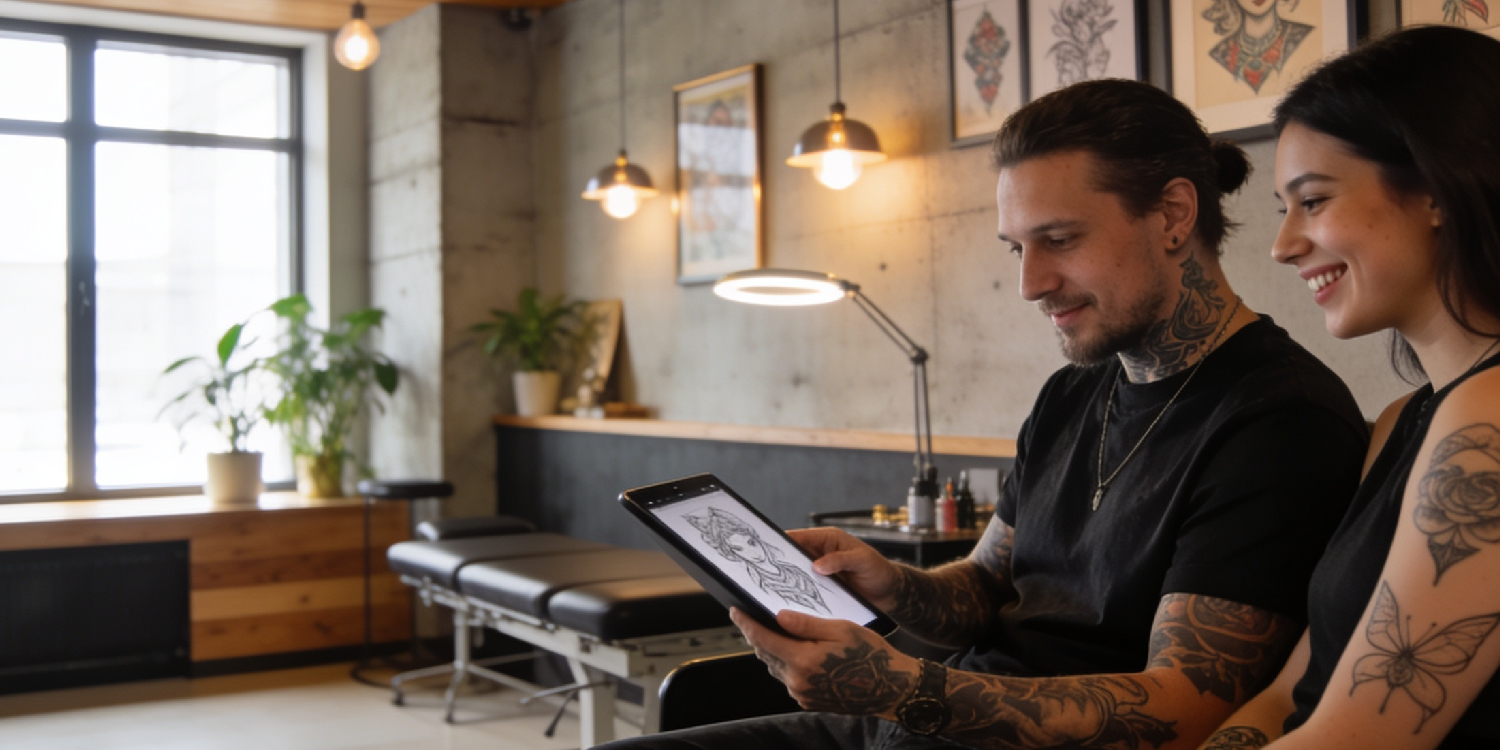
Tattoo shops approach pain sensitively. It is a part of client care. They are not there to give you a badge of toughness. Modern studios such as Colibri Tattoo & Piercing educate clients about pain management and assess their pain tolerance to keep them comfortable. The experience of getting a tattoo should be warm and something to cherish.
Pain is inevitable, but it’s manageable. At Colibri Tattoo & Piercing, we focus on realistic, studio-approved pain management. This blog shares some of the ways to manage tattoo pain.
Understanding Tattoo Pain: What Your Body Is Actually Feeling
Tattoo needles pass the epidermis to deposit ink into the dermis. The dermis is the middle layer of the skin and has a high concentration of nerve endings. These nerve endings send signals to the brain, and the brain interprets them as pain.
The pain of a tattoo is different from other injuries because it is a consistent, rhythmic sensation. People often describe it as a scratching, buzzing, or vibrating pain. The predictability of the pain allows the brain to adapt to it over time. The body’s immediate response is the secretion of adrenaline. Adrenaline can temporarily dull the pain, making it tolerable for the first few minutes. It increases alertness so people stay focused. It also speeds up heart rate and breathing, which is why you feel nervous energy or excitement. Endorphins are also released as a response to sustained pain. It lowers pain perception and creates a sense of calm. It actually helps clients relax during longer sessions.
These hormones are not unlimited. Dehydration, fatigue, and low blood sugar can reduce their effectiveness. That is why at Colibri Tattoo & Piercing, we encourage clients to eat beforehand and stay hydrated throughout the process. We allow our clients strategic breaks when needed for a smooth experience.
Why Tattoo Pain Feels Different for Everyone
Tattoo pain is commonly described as a sharp scratching, stinging, or burning sensation. It becomes a dull ache with time as the endorphins kick in. The experience is unique to each person. Some people have a high pain tolerance, and some don’t. Skin thickness and nerve density at the spot can affect the pain level. Your brain may anticipate a level of pain that keeps you anxious before the session. Adrenaline can numb the initial pain, but anxiety or poor preparation can worsen it. Estrogen levels impact pain perception; that’s the reason men and women experience pain differently.
Proper sleep and hydration before a tattoo session can help mitigate the pain. Caffeine influences pain perception, so it is better to avoid it before a session. Anxiety can heighten the perception of pain.
First-timers approach a tattoo session with a lot of anxiety, and their experience can be quite different from experienced clients. Everyone’s experience is unique, but experienced tattoo shops notice consistent patterns across age groups. Younger clients experience a stronger adrenaline response. Anticipation, excitement, and anxiety spike adrenaline levels. High adrenaline levels dull the pain, and most younger clients feel less pain. Older clients have thinner, drier skin, which makes it more sensitive.
Tattoo pain is individual and cannot be compared with friends or online charts.
Smart Preparation Before Your Appointment
There are ways to manage the pain through proper preparation before the tattoo session. Proper sleep before the session reduces nerve sensitivity. Tattoo shops emphasise having a proper meal before a session. When you get a tattoo, your body is under stress, so your blood sugar will drop. Foods like whole-grain bread, oatmeal, and brown rice are great options to help keep blood sugar stable during a tattoo session.
Tattoo shops insist on hydration. Hydration keeps the skin plump and elastic and takes the ink better. Wear comfortable clothes so you can position yourself better. Tattoo shops strongly discourage alcohol or painkillers before sessions.
Placement Matters: Pain Differences Across the Body
Tattoo shops discuss tattoo placement with clients. This is not only important for the design to show well, but also for pain tolerance. Areas near the bone and with thin skin hurt more than other areas. Pain feels sharper in nerve-dense areas. Tattoo shops observe common pain patterns and educate their clients.
Areas with more muscle and natural padding absorb pain better than bony areas. Uncontrolled muscle movement can cause discomfort as the skin shifts during the tattooing process. Holding an uncomfortable position for too long can cause fatigue and joint strain. At Colibri Laser & Piercing, we position our clients comfortably, support the body, and encourage them to relax their muscles throughout the session.
In-Session Pain Management: What Professional Tattoo Shops Actually Do
Artists at professional tattoo shops adjust hand pressure and machine speed according to the client’s pain tolerance level. Tattoo artists monitor their clients throughout the process and keenly observe them in session. They maintain an open communication to make clients comfortable. Strategic breaks help clients. Tattoo shops position clients to reduce nerve strain and muscle fatigue.
Usually, there is relaxing music in tattoo shops to put the clients at ease. The lighting is adjusted to create a good ambience. Each client is treated with sensitivity.
Numbing Creams & Pain-Relief Products: A Balanced View
Numbing creams work by temporarily blocking nerve signals in the upper layers of the skin. Tattoo shops use numbing creams for clients who are anxious or sensitive to pain to make the early stages of tattooing manageable. Numbing creams can slightly alter how the skin behaves and can affect how evenly ink is deposited. That’s why tattoo shops carefully control the use of numbing creams.
Numbing often wears off mid-session. The pain can feel sharper after it wears off. This can catch clients off guard. Numbing products are helpful for long sessions or for highly sensitive areas.
The Mental Side of Tattoo Pain
The proper mindset shapes pain tolerance. Pain can be managed by distracting yourself in various ways. Music is the best way to relax and manage pain. Tattoo shops use music to relax their clients. You can put on your headphones and play your personal music choices to distract yourself. Some people keep calm by rhythmic breathing.
Tattoo artists keep you engaged in conversation to calm their clients. Experienced clients know how to mentally prepare for sessions.
After the Tattoo: Why Post-Session Care Affects Pain Memory
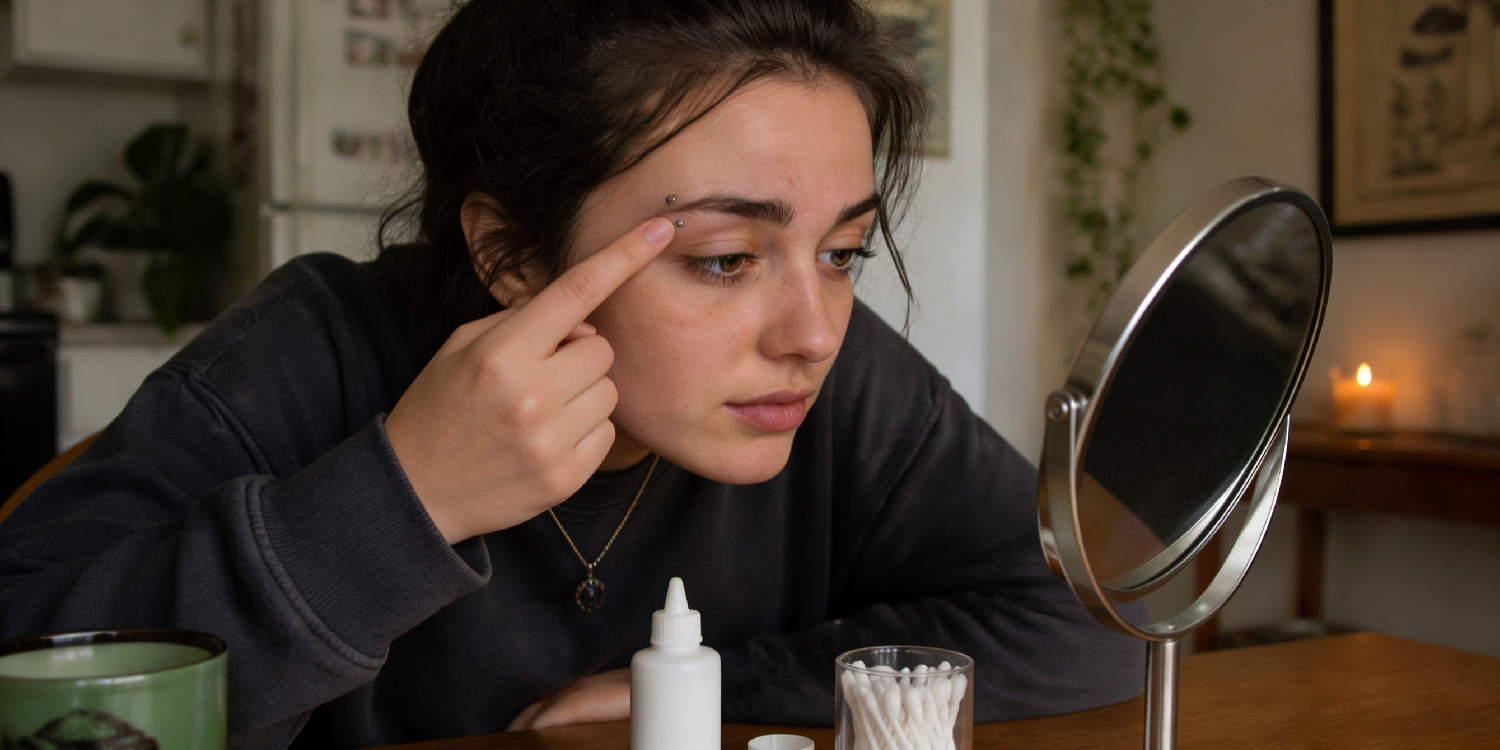
Aftercare is important to retain the vibrancy of the fresh tattoo. It reduces the lingering soreness. Inflammation post-tattooing is inevitable, but with the recommended aftercare, it can be managed. Poor aftercare can make the pain feel worse than the tattoo process itself.
Final Thoughts
Pain should not be the defining part of your tattoo experience. At Colibri Laser & Piercing, we paint a realistic picture for our clients about the tattoo process. We assess the pain tolerance levels of our clients and make them feel as comfortable as possible. Whether you are a first timer or an experienced client, your comfort matters to us.