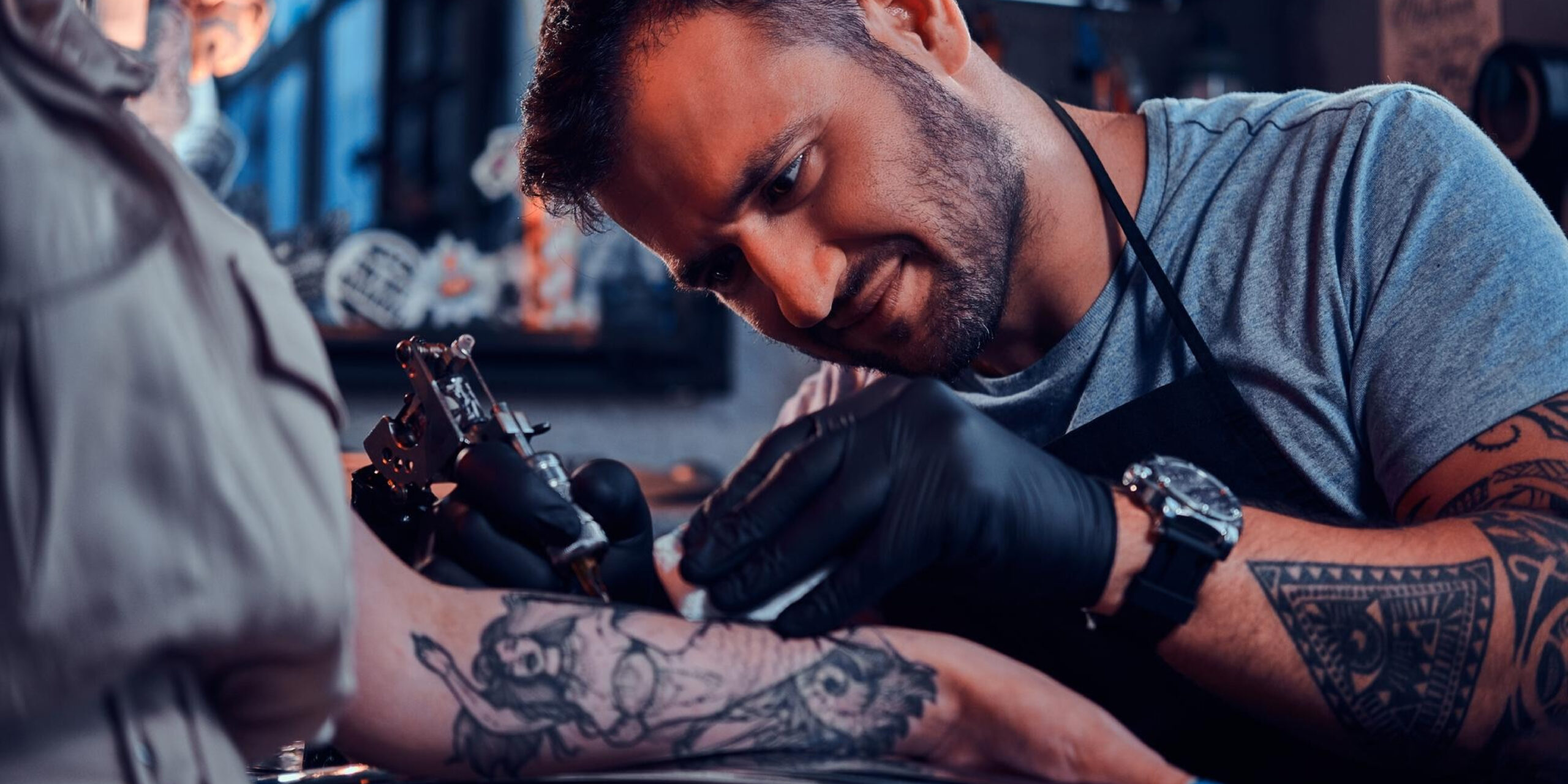
Getting a tattoo is the first step. Tattoo artists will have you know that aftercare is what determines how well it looks on your skin in years to come. Tattoos are universally appealing for the landscape of self-expression that they offer. Your ink tells your story. Tattoos are personal and unique. They are safe and sophisticated. They appeal to people of all ages.
Tattoo aftercare is simple, but misinformation and myths about tattoo aftercare are prevalent even today. Tattoo artists have heard them all and try to educate their clients about the right approach to aftercare. Myths about tattoo aftercare cause fading, infections, and sometimes even ruin an outstanding tattoo design.
Professional tattoo artists often spend more time correcting myths than tattooing. This blog breaks down the frustrating myths from a tattoo artist’s perspective and explains what actually works.
Myth 1: “Coconut Oil Fixes Everything”
Coconut oil is touted as a fix for most skin and stomach ailments. Coconut oil does have its benefits, but it is not recommended for tattoo aftercare on fresh tattoos. Tattoo artists educate their clients about the difference between moisturising a healed tattoo and treating a fresh wound. Applying coconut oil to a healed tattoo does not affect it. It can be used to moisturise the skin after the tattoo has healed.
A tattoo should be regarded as a fresh wound that needs proper medicated creams to heal well. Applying coconut oil to a wound causes slower healing and traps bacteria. This can result in infection in the tattoo, which will dull or distort the tattoo design when it heals.
Coconut oil clogs pores. It can suffocate the skin. When it is applied to a healing tattoo, it can pull out pigment.
Tattoo artists recommend using fragrance-free, light, clinically tested creams for aftercare. It has to be applied regularly for a few days on a fresh tattoo.
Myth 2: “Wrap Your Tattoo in Cling film for Days”
This myth finds favour with overzealous clients. Tattoo artists apply cling film on a fresh tattoo. This should be removed as recommended by the tattoo artist. It is used because it creates a sterile, moist barrier against infection, dirt, and friction. It also prevents scabs from forming too hard and pulling ink out. After the recommended time, the film has to be removed to allow natural healing of continue.
Leaving plastic wrap on for a long time creates a warm, moist environment, which is ideal for bacterial growth. This can lead to infection. It can cause skin suffocation, which delays healing. This is because the oxygen supply is restricted.
Body fluids like plasma can pool and build up excessively. It can cause the wound to fester. Tattoo maceration occurs when a fresh tattoo is wet from too much build-up of body fluids. It causes the skin to become soggy and white. This leads to pigmentation loss and slow healing. It also increases the chances of infection.
The lines of the tattoo blur, and the colour diminishes if cling film is left on for too long.
Myth 3: “A Little Sun Won’t Hurt”
Many people believe a little sun exposure won’t harm a new tattoo. In fact, they actually encourage it. Tattoo artists know that sunlight is the biggest enemy of a healing tattoo.
A fresh tattoo is an open wound. Exposure to UV light causes inflammation and slows healing. Sunlight can also cause irritation and redness around the fresh tattoo. UV rays penetrate the skin and damage the molecular structure of tattoo ink. The ink takes time to settle into the dermis because the pigment is still bonding to the skin. Colour molecules are even more vulnerable to sunlight. Colours such as yellow, red, light blue, and pastels are especially sensitive to UV radiation.
Sunlight exposure can cause a milky, dull layer to form over a fresh tattoo. This effect is called hazing. This happens because sunlight damages the regenerating skin cells, and the skin produces extra protective layers. These layers sit on top of the tattoo and cause the milky layer.
Myth 4: “You Can Go to the Gym the Next Day”
Sweat and a fresh tattoo are a combination that almost guarantees infection. Sweat introduces bacteria and excess salt into the open wound. Movements in the gym require stretching, bending, and friction. This can cause the scabs to break open, disrupting the healing process.
Gyms are hotspots for bacteria. Everyone uses the same equipment and shares the same space. The risk of infection increases in such environments.
Depending on tattoo placement and healing, you should be realistic about returning to the gym.
Myth 5: “Swimming is Fine Once the Tattoo Looks Healed”
The skin repairs itself in stages. The surface may look healed, but the internal healing takes two to four weeks. Swimming pools have chemicals to keep the water clean, which can cause skin irritation. Lakes have microorganisms that can infect a fresh tattoo. Beach water has salt and bacteria that can also infect the tattoo wound.
Tattoo artists recommend waiting two to three weeks minimum before swimming.
Myth 6: “Alcohol Makes the Healing Process Better- Kills Bacteria from Inside”
People think alcohol helps the healing process by killing bacteria from the inside. Drinking alcohol thins the blood and slows clotting. Alcohol causes skin dehydration and affects skin regeneration. It increases plasma production, which can disrupt the scabs and cause ink loss.
Tattoo artists advise abstinence for 24 to 48 hours post-tattooing.
Myth 7: “Organic or Herbal Products are Always Safe”
It is a misconception that natural equals sterile. Natural products contain essential oils that can irritate open wounds. They can cause allergic reactions or redness of the skin. Any irritation to the skin will delay healing.
Tattoo artists advise avoiding tea tree oil, eucalyptus, or lavender on fresh wounds.
Myth 8: “Bigger Tattoos Take Longer to Heal Than Small Ones”
Healing time depends more on skin trauma than tattoo size. The reasons for deeper skin trauma can be shading intensity and tattoo placement. The skin is not the same in all areas of the body, and there are levels of shading. Some shading requires more needle depth and causes greater trauma to the skin.
Sensitive skin takes longer to heal, irrespective of the tattoo size.
Myth 9: “A Healed Tattoo Doesn’t Need Any Care”
A healed tattoo does not mean it does not require long-term care. The basic rules of long-term tattoo care are moisturising, sun protection, and hydration. Tattoos are exposed to environmental factors that affect black, grey, and coloured tattoos differently.
Tattoos are prone to fading naturally with age, but proper care can slow the process.
Conclusion
Myths spread like wildfire and stay like stains. Tattoo artists work hard to actualise your vision on your skin. From the first consultation until the aftercare rules are imparted, tattoo artists are invested in the process. They have debunked aftercare myths for years and still do.
Professional tattoo artists base their advice on science, hygiene, and years of experience. Heed the recommendations of experienced tattoo artists in reputable studios like Colibri Tattoo & Piercing. It is safer to trust your artist than online trends. Proper aftercare transforms a good tattoo into a great, long-lasting one.